

City Palace Udaipur is the cultural heart of Rajasthan. This complete guide covers its history, architecture, museums, lake views, timings, tickets, best time to visit, itinerary, and travel tips.
Introduction
It is very strange when you first arrive at City Palace Udaipur. Gently rising from the bottom of Lake Pichola, the palace is neither distant nor unfriendly. Rather, it seems composed and at ease, as though it has always been there.
The building appears large from a distance. But the experience shifts as you get closer. The city’s noise fades. The palace walls are silently visible from the lake. In the meantime, Udaipur’s winding streets naturally bring you to its gates.
City Palace Udaipur does not overwhelm instantly. It shows itself slowly. With every step inside, the palace feels less like a statue and more like a place shaped by real lives, real decisions, and centuries of continuity.
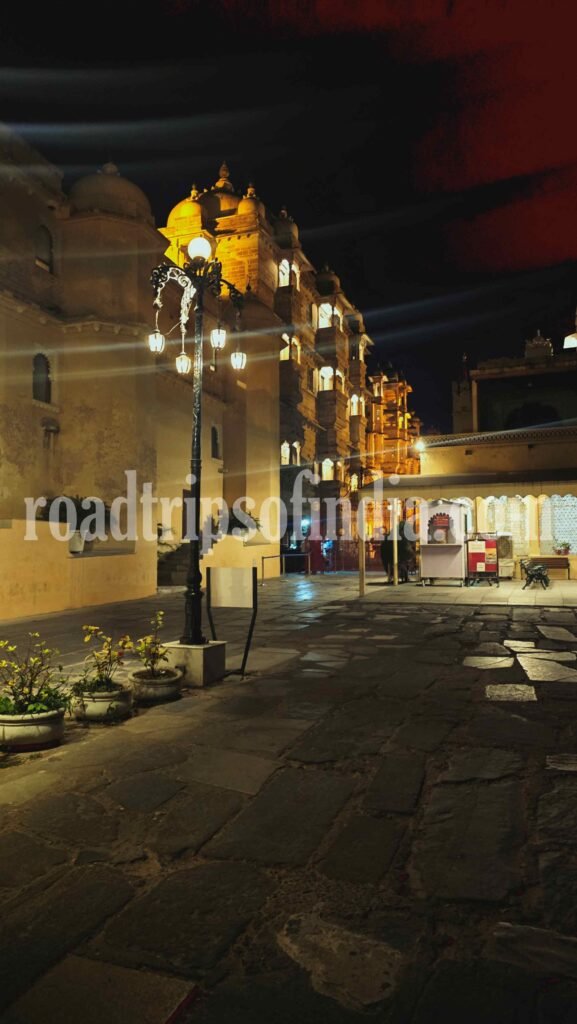
Why City Palace Udaipur Is Worth Visiting
There are lots of forts and palaces in Rajasthan. However, there are more factors besides size or design that make City Palace aUdaipur feel special.
A Palace Designed for Everyday Royal Life
City Palace was built to be used by people in contrast to forts that were mostly built for security. As you roam its places, this becomes clear.
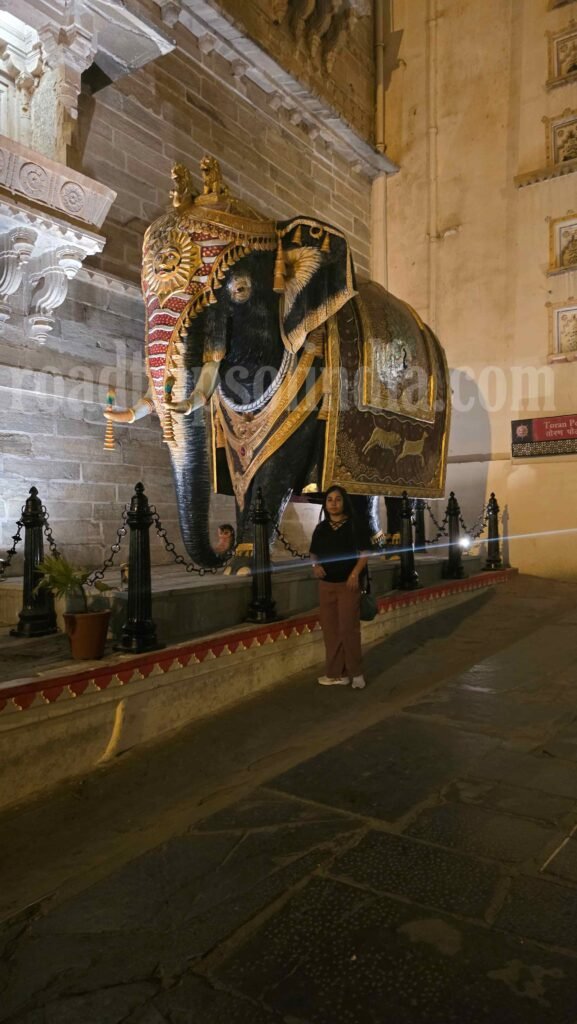
Rooms are useful rather than showy. Courtyards have an air of open and freshness. Windows are positioned carefully to allow in air and light. The palace feels cozy rather than unsafe as a result.
A Steady Visual Connection With Water
Lake Pichola is visible from multiple points inside the palace. Sometimes it appears suddenly between pillars. At other times, it stretches endlessly from terraces.
As a result, the palace never feels enclosed. Water becomes part of the experience, adding calmness and balance to the architecture.
A Place That Gives Slow Exploration
City Palace Udaipur is not meant to be rushed. If you hurry, it can feel confusing. However, when you slow down, everything begins to align.
You pause naturally in courtyards. You linger near balconies. Gradually, the palace stops feeling like a tourist attraction and starts feeling personal.
History of City Palace Udaipur
Foundation of the Palace
Maharana Udai Singh II built City Palace Udaipur in 1559. The Mewar rulers required a safer capital after Chittorgarh was repeatedly attacked.
A tactical edge is provided by Udaipur. Lakes provided water security, and hills around the area. In addition, rather of giving up power, the location allowed royals to carefully escape.
Built Over Nearly Four Centuries
City Palace was not constructed in a single phase. Instead, it evolved over almost 400 years.
Each Maharana added new sections based on:
- Political needs
- Cultural preferences
- Architectural trends of the time
Because of this, the palace reflects multiple eras. However, the transitions are subtle, creating a harmonious whole rather than a fragmented complex.
Preservation Over Conflict
Unlike many Rajput forts that suffered destruction, Udaipur remained relatively protected. The rulers prioritized diplomacy and survival over symbolic resistance.
As a result, City Palace survives today as a living royal complex rather than a reconstructed ruin.
Architecture and Design of City Palace Udaipur
City Palace Udaipur blends Rajput strength with Mughal elegance. However, it avoids excess.
Materials and Visual Balance
The construction is marked by granite and marble. The insides have paintings, mirror work, and softer colors, while the outside features warm, earthy tones.
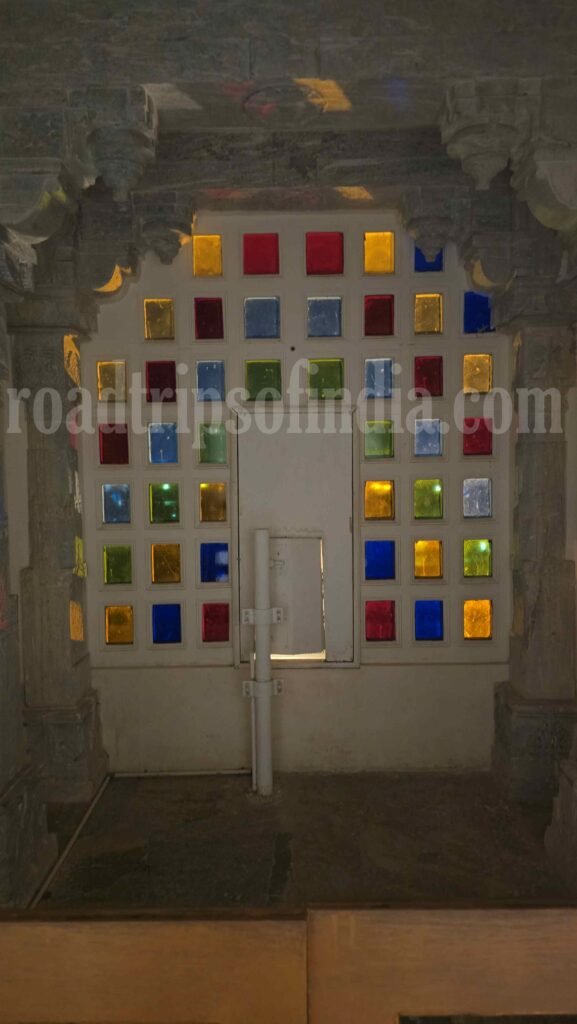
Decorative parts are used lightly rather than widely. The palace has a peaceful, calm character because of this restraint.
Layout That Encourages Discovery
There is no straight path through the palace. Instead, the layout unfolds gradually.
- Gates open into courtyards
- Courtyards lead to terraces
- Terraces connect to private chambers
Because of this, the experience remains dynamic and engaging throughout.
Step-by-Step Walkthrough of City Palace Udaipur
Entering the Palace Complex
After passing through the main gate, the palace opens into wide courtyards. The immediate sense is one of openness rather than grandeur.
You begin to understand how the palace functioned as a living space rather than a ceremonial showpiece.
Moving Through Courtyards and Corridors
The areas get nicer as you go. The paths are short. Unexpectedly, staircases appear. A different view of the city or the lake is shown with every turn.
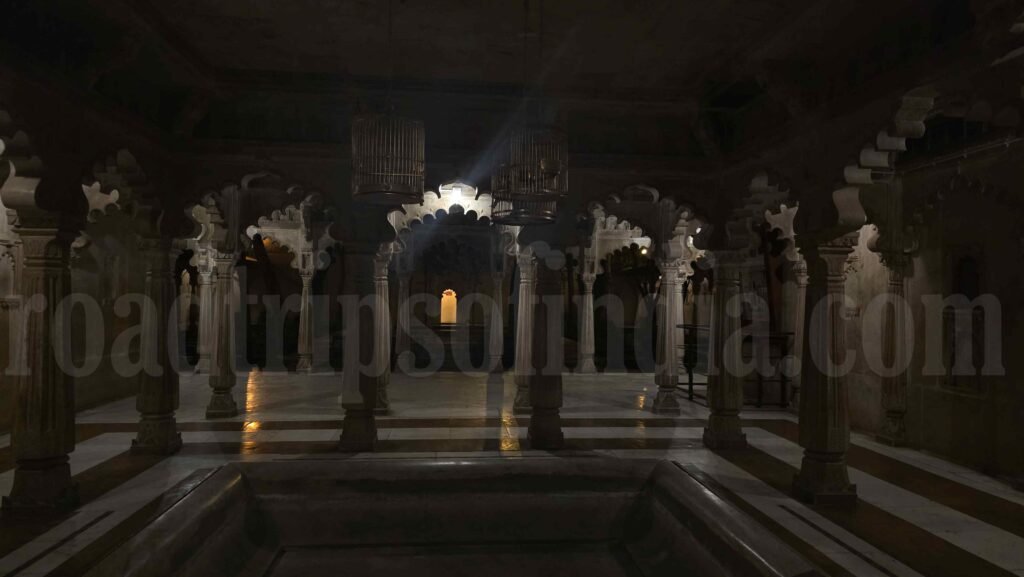
This continuous change maintains visitors’ interest and interest.
Reaching the Upper Terraces
The upper sections offer sweeping views of Lake Pichola, Jag Mandir, and the old city. These terraces often become the highlight of the visit.
Many visitors pause here, not to take photos immediately, but simply to absorb the view.
Important Sections Inside City Palace Udaipur
Mor Chowk – The Peacock Courtyard
Mor Chowk is one of the most photographed parts of the palace. Three glass mosaic peacocks represent different seasons.
When sunlight hits the mosaics, the colors shift gently. Visitors often linger here longer than planned, observing small details.
Sheesh Mahal
Sheesh Mahal uses mirrors sparingly. Unlike heavily mirrored halls elsewhere in Rajasthan, this space feels refined rather than dramatic.
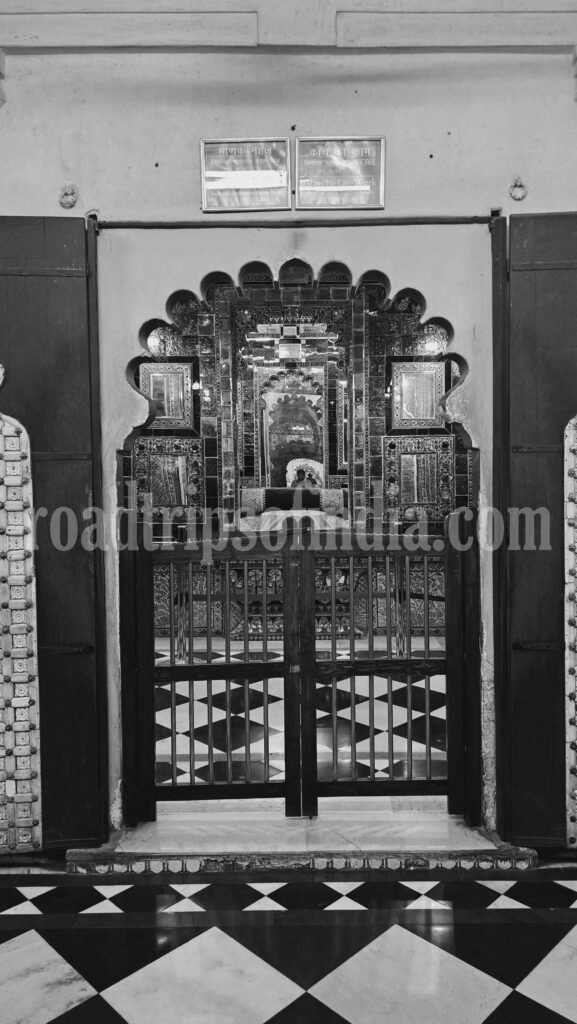
Natural light reflects softly, creating a subtle glow.
Zenana Mahal
Zenana Mahal once housed royal women. The architecture emphasizes privacy, airflow, and comfort.
Interestingly, this section feels calm and grounded. It reflects everyday royal life more than ceremony.
City Palace Museum
The museum displays:
- Royal costumes
- Weapons and armor
- Miniature paintings
- Personal artifacts
Displays are well spaced, making the visit informative without being too strong.
Details Most Visitors Miss
Many visitors rush through City Palace without noticing its quieter elements.
- Small carved brackets supporting balconies
- simple differences in marble color between sections
- Narrow windows designed for air flow rather than view
These details reveal how thoughtfully the palace was designed for daily life.
City Palace Udaipur and Lake Pichola
City Palace and Lake Pichola share a deep relationship.
Visual Integration
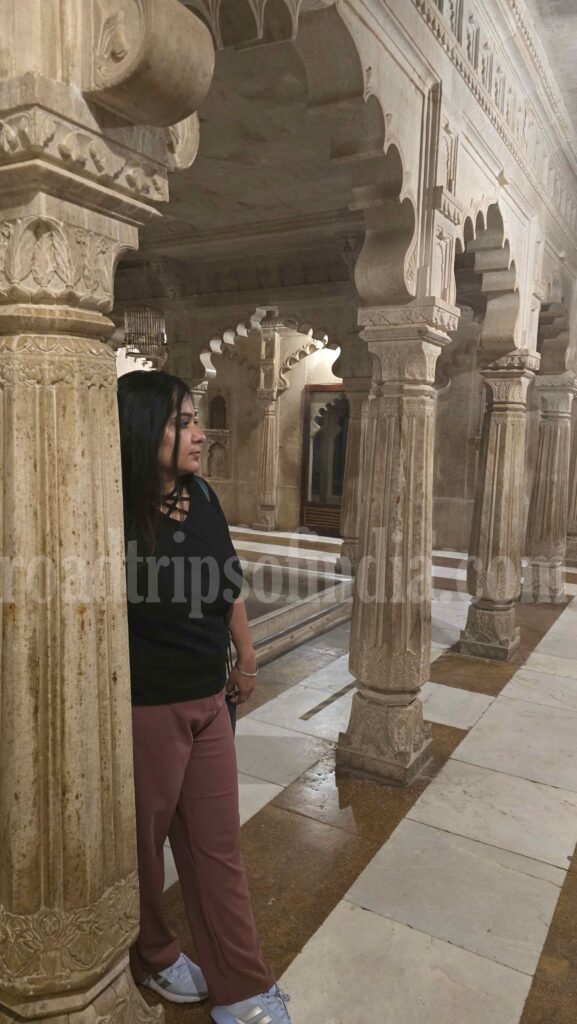
The lake is not ruled by the palace. Rather, it frames it. The water seems like a moving picture when viewed from balconies.
Functional Role of the Lake
Historically, the lake served as:
- A water reservoir
- A cooling system
- A defensive barrier
Therefore, the palace was designed around water, not merely beside it.
Best Time to Visit City Palace Udaipur
Seasonal Guide
- October to March: Pleasant weather and ideal sightseeing
- April to June: Hot afternoons but quieter mornings
- July to September: Green surroundings and fewer tourists
Each season offers a different experience.
Best Time of Day
Early morning visits allow you to explore peacefully. Late afternoons provide softer light and cooler temperatures.
Timings and Entry Information
City Palace Udaipur is generally open from morning to evening. Timings may vary slightly during festivals.
Tickets are available at the entrance. Additional charges may apply for:
- Museum access
- Photography
- Special galleries
How to Reach City Palace Udaipur
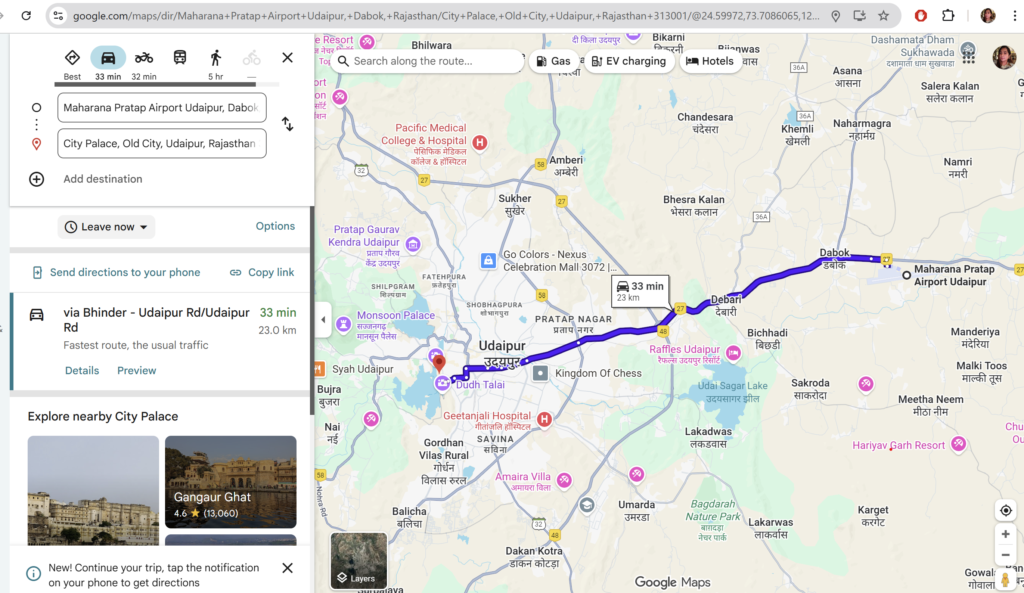
Map Pin Location
City Palace Udaipur – Location
📍 Located on the eastern bank of Lake Pichola in Udaipur’s old city.
Half-Day Itinerary Around City Palace
- Morning: Explore City Palace in detail
- Midday: Visit Jagdish Temple nearby
- Afternoon: Lunch near Lake Pichola
- Evening: Boat ride on the lake
This flow allows you to experience the area without rushing.
Photography Tips
- Courtyards offer the best natural light
- Early hours reduce crowd interference
- Respect photography restrictions
Sometimes, observing without a camera feels more rewarding.
Frequently Asked Questions
How long does it take to explore City Palace Udaipur?
Most visitors need 2–3 hours for a comfortable visit.
Is City Palace suitable for elderly visitors?
Yes, although some staircases are steep. Comfortable footwear is recommended.
Can City Palace be combined with other attractions?
Yes. Jagdish Temple and Lake Pichola pair perfectly.
Is City Palace still used by the royal family?
Yes. Parts of the palace remain under the care of the Mewar royal family.
Final Thoughts
City Palace Udaipur does not rely on loud grandeur. Instead, it builds connection quietly.
You remember the stillness of its courtyards. You remember the lake appearing between arches. And long after leaving, the palace stays with you — not as a monument, but as a living part of the city.
If you want to understand Udaipur beyond photographs, City Palace is where that understanding begins.
If you’re exploring Udaipur and nearby places, you may also like our detailed travel guides on Monsoon Palace, Kumbhalgarh Fort, and Chittorgarh Fort for history, timings, maps, and travel tips.
To know us more follow us on instagram: roadtripsofindia




[…] If going to Jaipur do checkout out blog : https://roadtripsofindia.com/jaipur-tourist-places-a-complete-guide-to-the-pink-city/For Udaipur guide checkout : https://roadtripsofindia.com/city-palace-udaipur-everything-you-need-to-know-before-visiting/ […]