Discover Bidar Fort, a stunning red-stone fortress in Karnataka known for its calm vibe, Indo-Persian architecture, and historic charm. A detailed travel guide.
Introduction
I didn’t expect Bidar Fort to feel this peaceful. The moment I stepped in, something about the wide open space and the soft red stone made me slow down without even thinking. In fact, the fort doesn’t try too hard to impress you, yet it quietly grows on you with every turn. There’s a sense of stillness here — the kind that makes you want to walk slowly, look around more, and just breathe.
Bidar Fort is often called underrated, and honestly, I get why. However, once you see it in person, you might wonder how such a huge, beautiful place stays out of the usual tourist spotlight. So, if you’re planning a weekend break, or if you simply love old places that tell stories even without plaques or signboards, this guide will help you explore everything without rushing.
Why Bidar Fort Is Worth a Visit
A calm fort that feels untouched
One thing you’ll notice almost immediately is the silence. Not an empty kind of silence, but the peaceful type. Meanwhile, because the crowds are usually light, you get more time to look at details — the arches, the walls, the broken windows that still hold stories.
The architecture feels surprisingly elegant
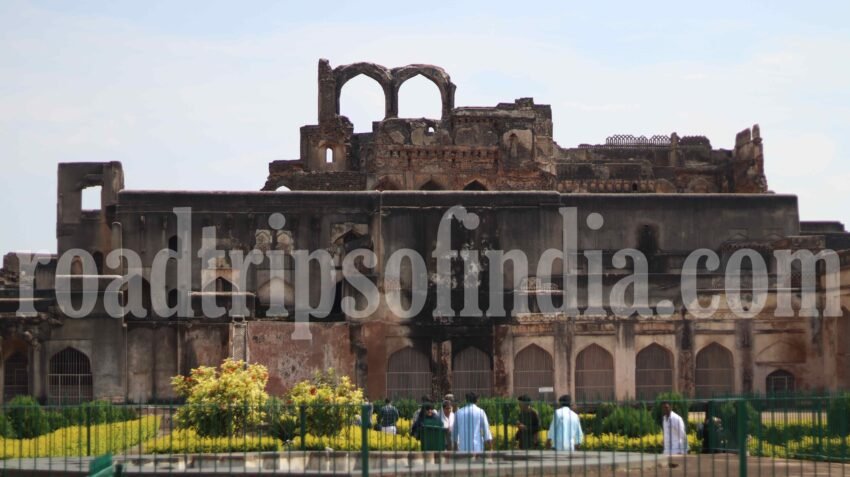
Even if you’re not usually excited about buildings, this one grabs your attention. For instance, the mix of Indo-Persian design shows up in the patterns, the tall gateways, and the palaces with delicate touches. However, the fort still feels raw and natural, not overly polished.
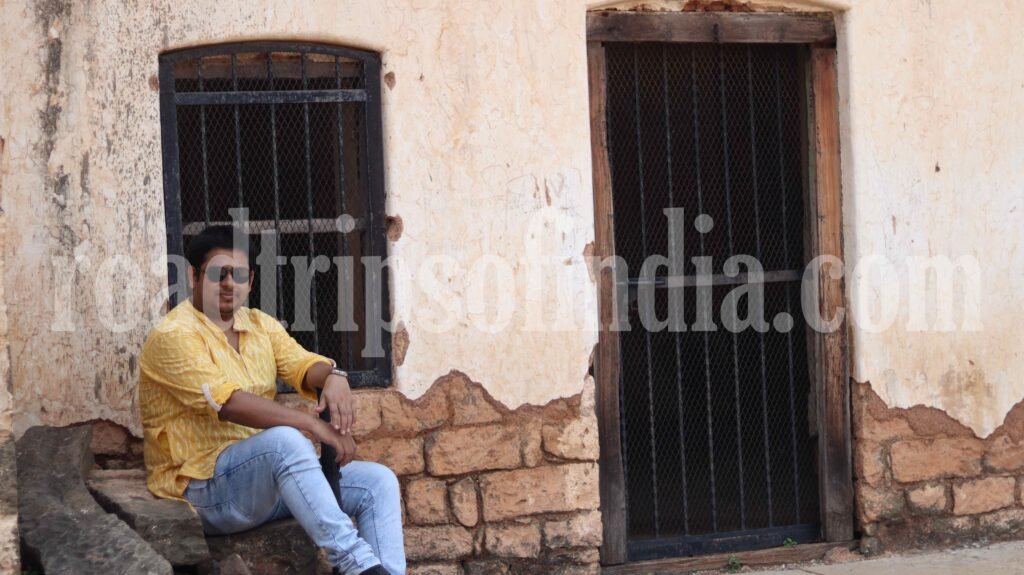
Photographers love the place
The warm red stone glows beautifully during sunrise and sunset. On the other hand, even mid-day light creates interesting shadows around the corridors and arches.
Easy half-day or full-day plan
Since the fort lies very close to Hyderabad, a lot of travelers plan a quick trip. But if you want a full, slow day, Bidar has enough nearby attractions to fill it.
History of Bidar Fort
The story behind Bidar Fort goes back several centuries. It doesn’t feel overwhelming to learn though, because the structures themselves help you imagine things.
Built and rebuilt over time
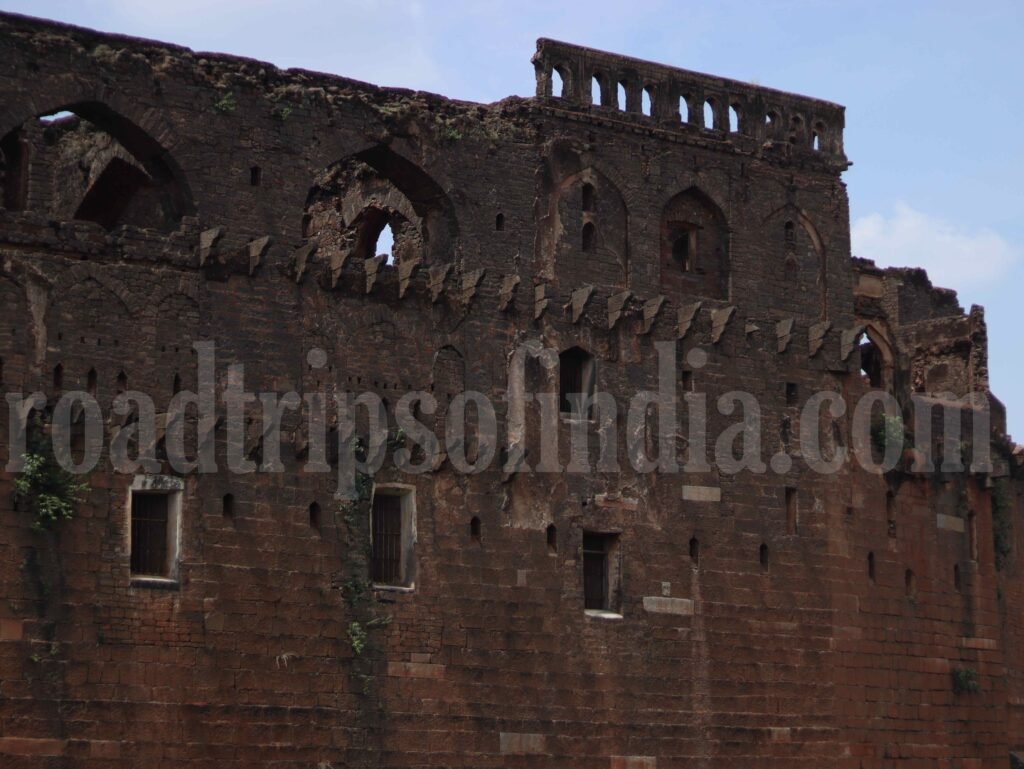
The earliest fort existed during the Kakatiya era. However, the real transformation came in the 15th century when the Bahmani Sultanate moved their capital to Bidar. Ahmad Shah Wali expanded it, strengthened it, and gave it the charm we see now.
Persian influence everywhere
Persian architects left their touch across the fort — in the tile work, the arches, and the way the palaces were laid out. Meanwhile, later rulers such as the Barid Shahi dynasty added their own styles, so you see layers of different periods in one place.
A strong defensive fort
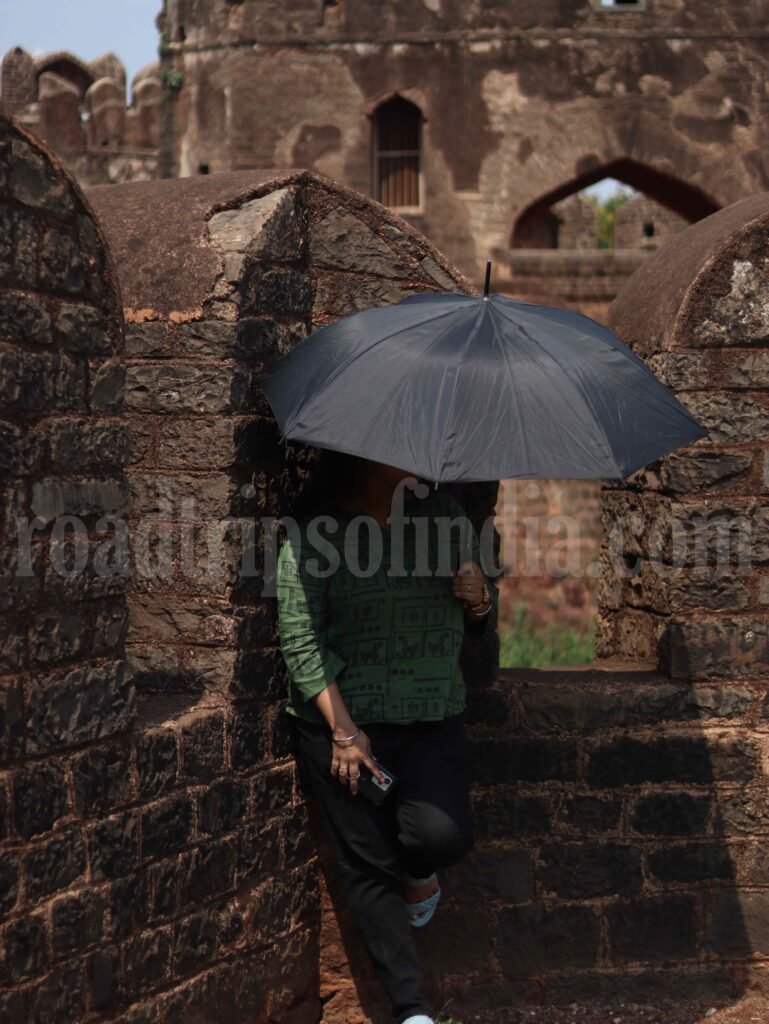
The location on a high plateau gave Bidar Fort a natural advantage. Deep moats, thick walls, angled gateways — everything was designed to confuse enemies.
Passed through many rulers
Like most major forts in the region, Bidar saw several changes:
- Bahmani Sultanate
- Barid Shahi dynasty
- Mughal rule
- Nizams
Yet, despite all this, the fort still keeps much of its original personality intact.
Main Areas to Explore Inside Bidar Fort
You don’t have to be a history geek to enjoy this part. The fort is spread out, but every major structure has something interesting, and the walk between them feels pleasant.
1. Mandu Darwaza
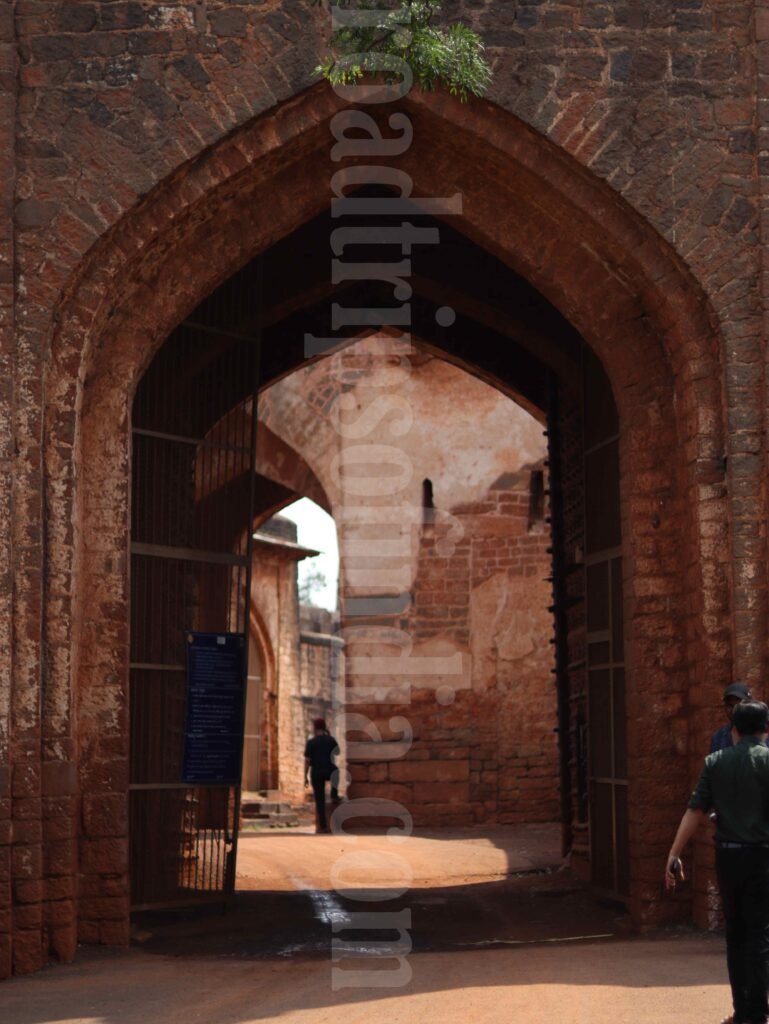
This is the grand entrance. It sets the tone with its height, its age, and the strong edges of the stone. You pass through it, and suddenly the entire interior opens up.
2. Rangin Mahal
Probably the most delicate and decorative structure inside the fort.
The woodwork, the colored tile panels, the carved screens — everything shows how much craftsmanship went into it. Although some parts are restricted to protect the artwork, even the allowed sections look charming.
3. Tarkash Mahal
A palace built for a Turkish queen, and you notice the refined touches immediately. Meanwhile, the ruins add a raw character that makes photos look dramatic.
4. Solah Khamba Mosque
One of India’s largest mosques with sixteen elegant pillars. The open courtyard makes the whole area feel extremely peaceful. On the other hand, the symmetry inside is perfect for wide-angle shots.
5. Gagan Mahal
This was the royal residence, and you can still walk through its arched halls. The place gives you a sense of how the palace life may have felt centuries ago.
6. Defensive walls and watchtowers
Climb up for a panoramic view. Since Bidar stands on a high plateau, you can see fields stretching far into the horizon.
7. The moat system
Look down from the walls and you’ll notice how carefully the defenses were designed. The depth and width of the moat show how serious the rulers were about security.
How to Reach Bidar Fort
Bidar is well-connected, so you can choose whichever mode fits your plan.
By Flight
- The closest major airport is Hyderabad’s Rajiv Gandhi International Airport (approx. 140 km).
- After landing, you can take a cab, bus, or even rent a self-drive car.
- The journey usually takes 2.5 to 3 hours.
Bidar does have a local airport, but commercial flights are limited for now.
By Train
- Bidar Railway Station sits just a few kilometres from the fort.
- Trains from Hyderabad, Kalaburagi, and Bengaluru connect regularly.
- The ride from Hyderabad takes about 2–2.5 hours.
Autos and taxis are available outside the station, so reaching the fort is simple.
By Road
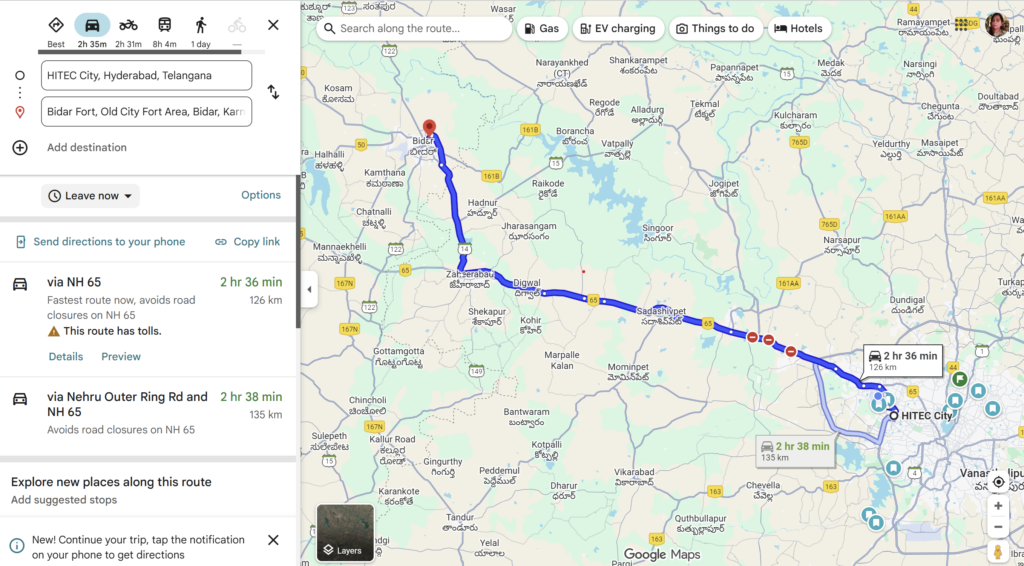
Road journeys to Bidar are quite enjoyable, especially from Hyderabad.
- From Hyderabad – around 140 km
- From Kalaburagi – around 115 km
- From Bengaluru – around 690 km
Meanwhile, the highway views shift from city outskirts to open fields, giving you a relaxed drive.
Best Time to Visit Bidar Fort
October to February
The weather stays pleasant, the sunlight feels soft, and it becomes easier to walk for long.
Early morning or late afternoon
The red stone glows beautifully and the heat stays mild.
Avoid mid-summer
The sun gets intense, and the open spaces inside the fort can feel quite warm.
Travel Tips for a Smooth Visit
- Wear comfortable shoes because you will walk a lot.
- Carry water; however, you might find small vendors near the gate.
- If possible, arrive early to avoid heat and crowds.
- Guides can explain hidden stories that you may miss.
- Drones aren’t usually allowed, so check rules before flying one.
Nearby Places Worth Exploring
Bahmani Tombs
Impressive domes spread across a quiet field. Many visitors compare it to a mini version of royal necropolises.
Gurudwara Nanak Jhira Sahib
A peaceful place with a natural spring. The atmosphere feels soothing even if you’re not religious.
FAQs (Featured Snippet Style)
What is Bidar Fort famous for?
Bidar Fort is famous for its Indo-Persian architecture, elegant palaces, deep moat system, and peaceful surroundings. Rangin Mahal and Solah Khamba Mosque are major highlights.
Is Bidar Fort worth visiting?
Yes, completely. The fort offers history, architecture, photography spots, and a calm atmosphere that feels refreshing.
What are the timings and entry fee?
Timings are usually 9 AM to 5 PM, and entry is free. Some inner monuments may have restrictions.
How long does it take to explore the fort?
Plan 2–3 hours for a comfortable visit.
When is the best month to visit?
October to February offers the best weather and light for photography.
Final Thoughts
Bidar Fort is one of those places that doesn’t rush you. It lets you explore slowly — one archway at a time, one courtyard at a time. Meanwhile, the lack of heavy crowds makes the visit even more enjoyable. If you love destinations that feel real and a little untouched, this fort will stay in your memory long after the trip.
It’s quiet, majestic, simple, and surprisingly emotional in its own way. And, honestly, that’s what makes Bidar Fort worth the journey.
Map Pin – Bidar Fort Location
To make planning easier, here’s the exact place to look for:
📍 Google Map Pin: Bidar Fort, Bidar, Karnataka
Just open Google Maps → type Bidar Fort → the landmark appears instantly with directions and nearby spots. https://maps.app.goo.gl/3onNDHwbrRPZuBGDA