
Colombo National Museum travel guide with history, Natural History Museum Colombo, tips, tickets, timings, how to reach and Sri Lanka trip from India.
Colombo National Museum – where Sri Lanka quietly tells its story
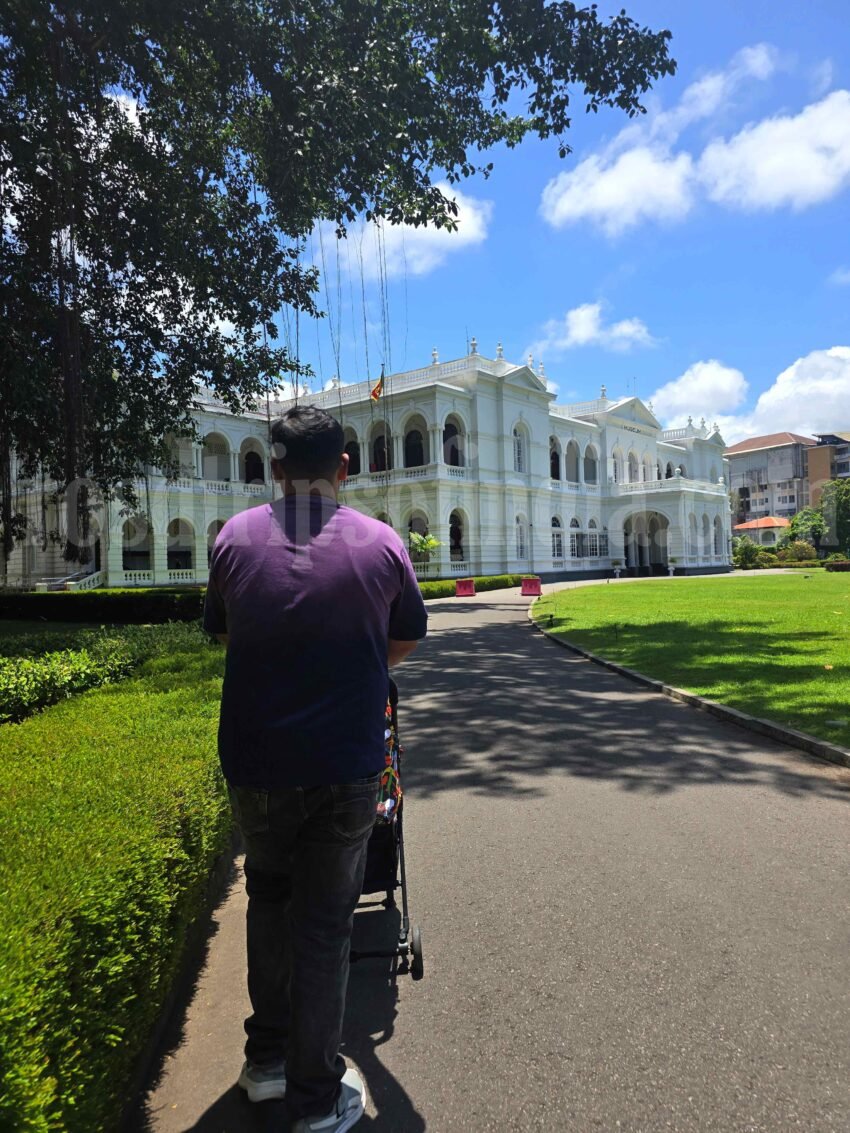
The Colombo National Museum stands calmly in a green corner of the city, away from honking horns and shiny malls. When you walk through its big white gates, the city noise slowly melts away. However, you don’t feel like a tourist anymore. Instead, you feel like someone who is about to listen to a long, honest story.
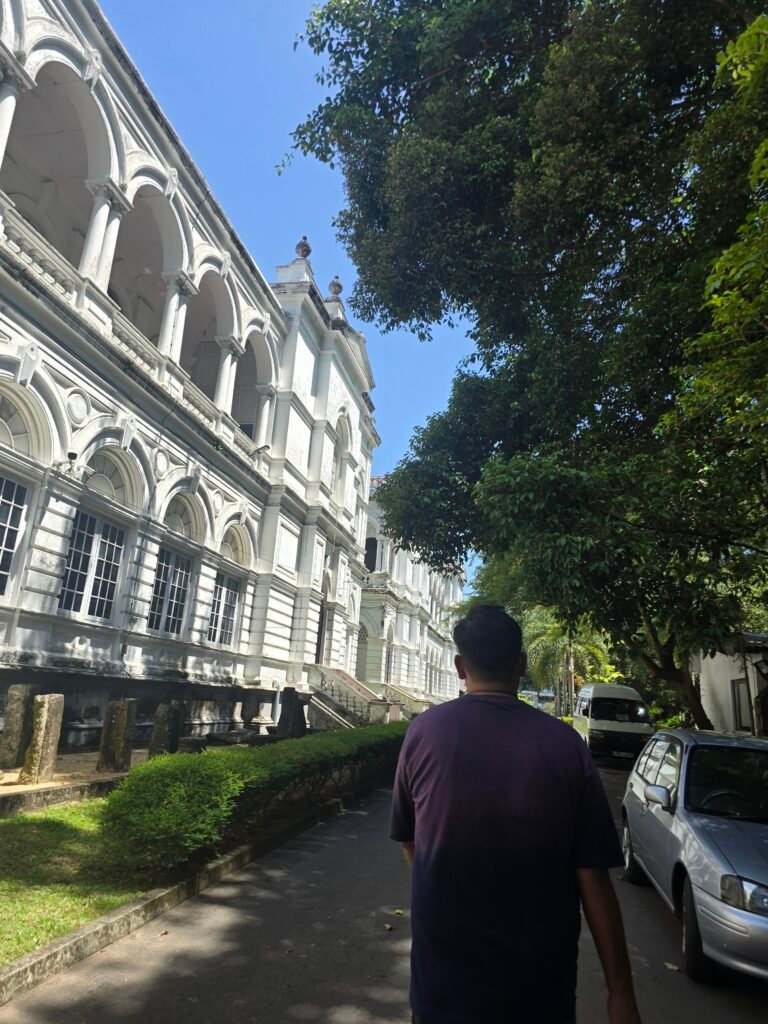
Right next to it sits another gem – the Natural History Museum Colombo. Together, they don’t shout for attention. Still, they stay in your heart much longer than beaches or towers.
Why Colombo National Museum is worth visiting
People usually run behind Instagram spots. However, Colombo National Museum gives you something deeper.
Here, you don’t pose. You pause.
You look at ancient crowns, swords, letters written by kings, jewellery worn by queens. Suddenly, Sri Lanka stops being just tea and beaches. It becomes real people with real past.
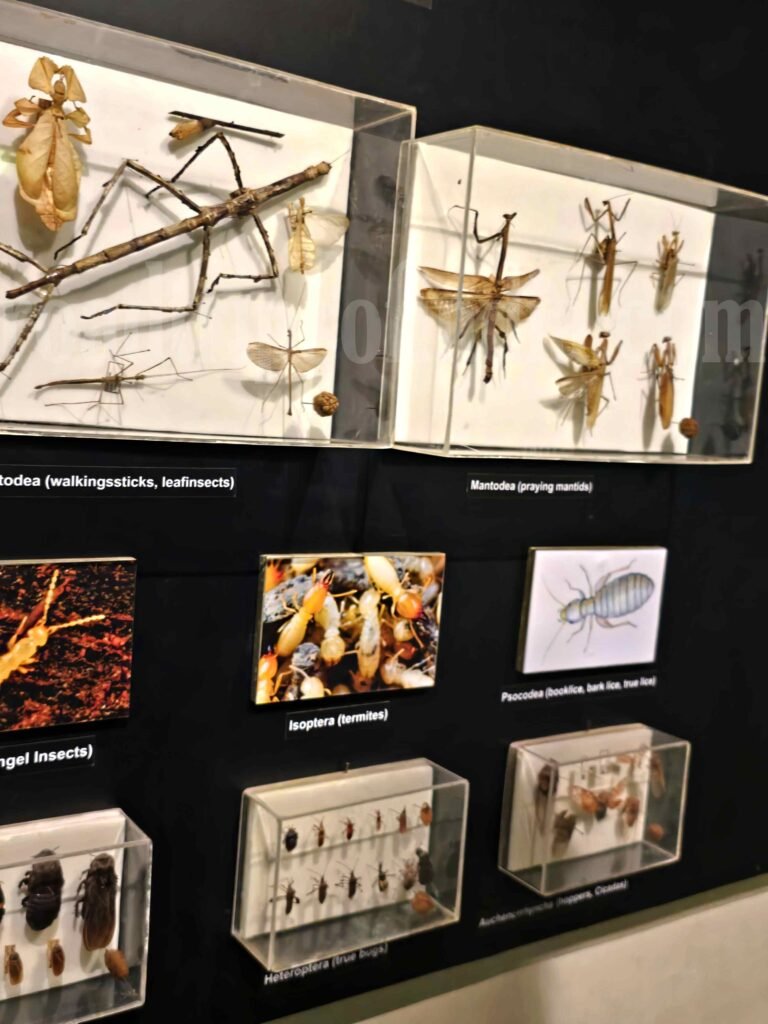
Meanwhile, in the Natural History Museum Colombo, you see skeletons, stuffed animals, butterflies, fossils. Kids don’t want to leave. Adults suddenly remember school science days.
History of Colombo National Museum – from royal dreams to public memory
The story of the Colombo National Museum started in 1877, when Sri Lanka was still under British rule.
At that time, a British governor named Sir William Gregory felt that the country needed a proper place to protect its history. Before this, many royal items were scattered or slowly getting lost.
Gradually, kings’ artefacts were collected. Paintings came in. Palm leaf manuscripts arrived one by one. Over the years, the museum became the true guardian of Sri Lanka’s memory.
Later on, the Natural History Museum Colombo was created. It focused on the island’s wildlife story – the animals, birds and insects that exist only in Sri Lanka.
Architecture of Colombo National Museum – calm, white and welcoming
The building looks royal but not arrogant.
Big white pillars. Red tiled roof. Open corridors. Trees around.
Light enters softly. Fans rotate slowly on the ceiling. You don’t feel rushed. You feel invited.
The Natural History Museum Colombo building is simpler but bright. It feels like a school classroom mixed with forest dreams.
Step-by-step visitor experience at Colombo National Museum
First, you enter through iron gates. Then you buy tickets from a small counter. Staff talk gently.
You remove footwear? No, here you keep shoes on, which already feels different from temples.
Then you enter big halls.
You see ancient royal throne. Then gold crowns. Then paintings of Kandyan kings.
After that, you cross the garden to reach Natural History Museum Colombo.
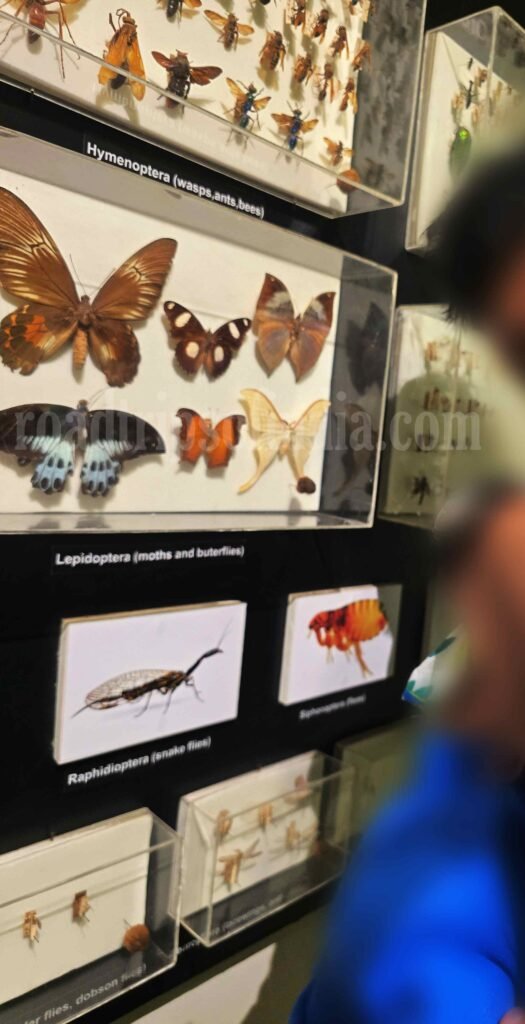
Suddenly, there are elephant skeletons. Giant whales bones. Butterflies in glass boxes.
Your heart shifts from history to wonder.
Things people usually miss inside Colombo National Museum
People rush past Kandyan royal regalia. That section is powerful.
They skip the library wing, which holds rare manuscripts.
In Natural History Museum, many ignore the endemic species section – animals found only in Sri Lanka.
Natural History Museum Colombo – where Sri Lanka’s wild heart lives
The moment you enter the Natural History Museum Colombo, the air feels different. that familiar smell of old wood and preserved paper hits you, just like a school science lab from childhood. However, this is not boring textbook stuff. Instead, It feels alive in a strange way.
Suddenly, The first thing that caught my eye was the huge skeleton of a blue whale. I knew whales were big, but standing under those bones made me feel like a tiny ant. Somehow, the ocean felt closer, even though I was standing inside a building.
Meeting Sri Lanka’s animals without going into jungle
What makes the Natural History Museum Colombo special is how clearly it shows animals that exist only in Sri Lanka. There are glass cases with colourful frogs, strange-looking lizards and tiny birds that I had never seen before.
Meanwhile, kids were running from one case to another shouting names like they were in a zoo. I didn’t stop them. This place deserves noise, curiosity and messy excitement.
When butterflies and fossils quietly steal your heart
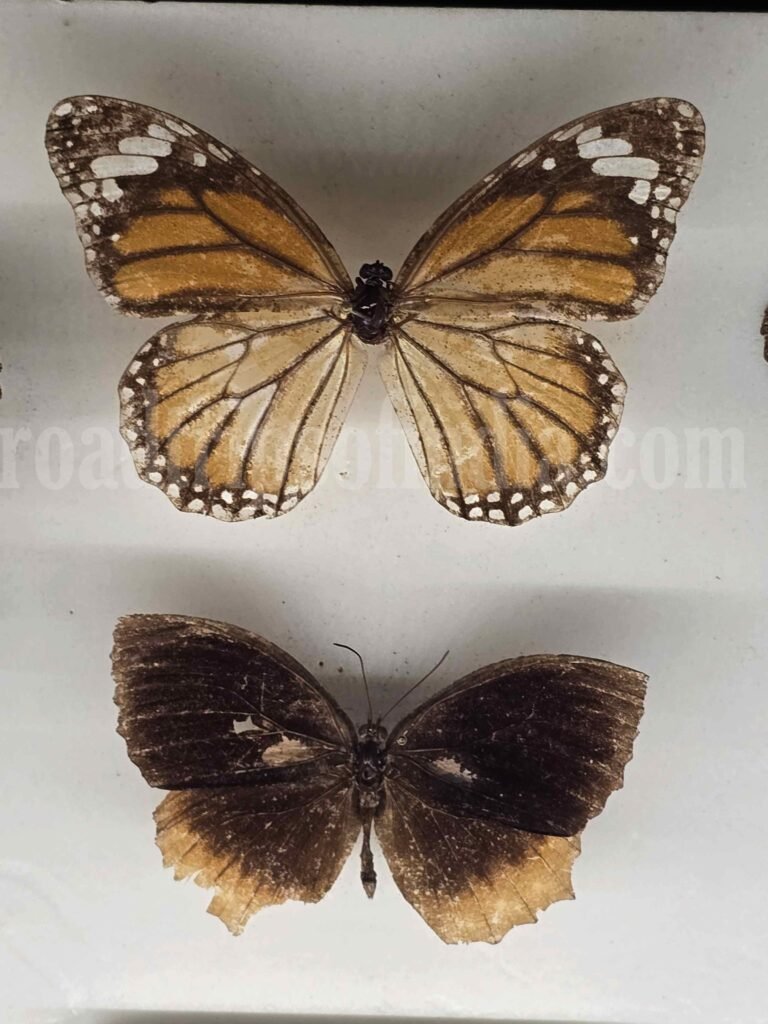
One small room inside the Natural History Museum Colombo has rows of butterflies pinned carefully inside frames. Hundreds of colours. Some shining blue. Some yellow like sunshine. You don’t expect to feel emotional looking at insects, however, honestly, I did.
Next to it, there is a fossil section. Old bones, shells, rocks from millions of years ago. It made me realise how short our lives really are.
Why Natural History Museum Colombo deserves more love
Many tourists come to Colombo National Museum and skip this building. That is sad.
Because here, you don’t just learn about kings and wars. You learn about forests, animals, insects and rivers that still breathe outside these walls. It connects Sri Lanka’s past with its living present in the most gentle way.
Practical tips nobody tells about Colombo National Museum
Carry water. You will walk a lot.
Use the chairs placed in halls. Rest is allowed.
Fans are there but still it gets warm.
Photography rules change, ask before clicking.
Colombo National Museum and Natural History Museum Colombo – two stories, one campus
One thing that made our visit very smooth was that Colombo National Museum and the Natural History Museum Colombo are just next to each other. You don’t need to take any transport in between. You simply walk across the garden.
At the ticket counter, they offer both options – you can buy a combo ticket for both museums or buy separate tickets. We chose the combo because honestly, once you are there, you won’t feel like skipping either of them.
Handling stroller inside Natural History Museum Colombo – small help, big relief
Meanwhile, we noticed that the Natural History Museum Colombo has staircases everywhere. So carrying a baby stroller inside was not possible. For a moment, I felt stuck, not knowing what to do.
However, when I asked the staff at the checking counter if we could keep the stroller somewhere safe, they smiled instantly and said yes. They kept it inside their office area. That small kindness quietly removed so much stress from my heart.
The giant dinosaur skeleton that steals the show
Inside the Natural History Museum Colombo, there is a huge dinosaur skeleton standing tall in the main hall. My baby stared at it with wide eyes, like he was seeing a real monster.
Honestly, I did too. The size is unbelievable. You stand under it and suddenly realise how tiny humans are in the timeline of this planet. That dinosaur alone is worth the visit.
Changing baby diaper at Colombo National Museum – when people matter more than facilities
There was one moment during our visit to Colombo National Museum that truly tested us emotionally. Suddenly, our baby needed a diaper change, and honestly, we panicked a little. There was no dedicated baby room inside the museum. For a second, I felt helpless, wondering where we could go.
However, when we spoke to the staff, they didn’t make us feel awkward even for a moment. Instead, they gently guided us to a quiet corner near their office area and told us to keep the baby there safely. It was not a fancy changing room, but still, their kindness made it feel comfortable.
Finally, we managed to change the diaper properly and even throw it away in their dustbin without any trouble. Somehow, that small support stayed with me more than any statue or painting inside the museum.
The painting I wanted to take home from outside Colombo National Museum
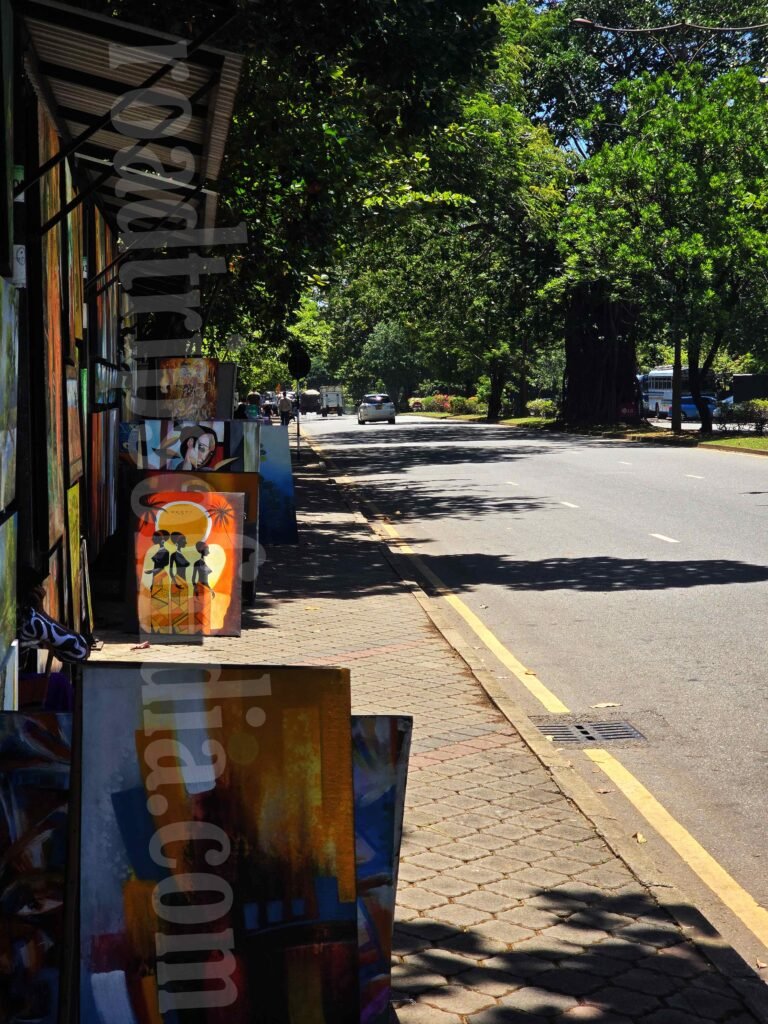
Outside the Colombo National Museum, there were a few local artists sitting quietly with their paintings spread along the footpath. Slowly, the soft colours pulled me in – village life, temple scenes, peacocks and old houses painted with so much feeling. I stood there for a long time, honestly falling in love with one painting that showed a rural Sri Lankan street just after rain.
I truly wanted to buy it. However, the canvas was big and our bags were already full with baby things. There was simply no space left. So, I walked away slowly, still looking back at it, somehow telling myself that some memories are not meant to fit inside luggage.
Best time to visit Colombo National Museum
Visit between 9 AM to 11 AM. Fresh mind. Less crowd.
Avoid weekends if you hate noise.
Timings & tickets of Colombo National Museum
Open from 9 AM to 5 PM. Closed on Fridays.
Ticket price is affordable. Foreigners pay slightly more.
How to Reach
By Air
Bandaranaike International Airport is around 35 km away. Take taxi or airport bus to city centre, then tuk-tuk to museum.
By Taxi
Take tuk-tuk or local bus. It is around 20 minutes drive.
By Bus
Many city buses go near museum .You can also opt for Uber
Planning trip from India to Colombo National Museum
Visa
Indian passport holders need ETA. Apply online.
Flights
Direct flights from Chennai, Bangalore, Mumbai, Delhi.
Currency
Exchange INR to USD first, then to LKR in Colombo.
SIM
Buy Dialog SIM at airport.
Food
Indian food is everywhere. Try Sri Lankan hopper too.
Mistakes
Don’t keep museum for last day when tired.
Colombo National Museum map location
Colombo National Museum Google Maps Pin https://maps.app.goo.gl/o3tvoNUzDk4rgjVW9
FAQs about Colombo National Museum
Is Natural History Museum Colombo inside same campus?
Yes, it is just across the garden.
How much time needed?
Minimum 2 hours.
Kids friendly?
Very much.
Photography allowed?
Some sections only.
Conclusion
Here is your paragraph with smoother transitions added:
When I walked out of the Colombo National Museum, I did not feel heavy with information. Instead, I felt light with understanding.
Slowly, Sri Lanka stopped being just a destination for me. Somehow, it turned into a story I had listened to quietly.
And even after I boarded my flight home, that feeling stayed with me..
You can also visit our blogpost on Gangaramaya Temple : https://roadtripsofindia.com/gangaramaya-temple-ultimate-guide-everything-you-need-to-know-before-visiting-colombos-most-peaceful-place/
To know us more follow us on instagram: instagram.com/roadtrips_of_india/
Related posts:
 Lotus Tower Colombo – Everything You Need to Know, How to Visit, What You Feel When You Go Up
 Independence Square Colombo: Everything You Need to Know Before You Visit
 Gangaramaya Temple Ultimate Guide – Everything You Need to Know Before Visiting Colombo’s Most Peaceful Place
 Chittorgarh Fort Rajasthan: Everything You Need to Know (2025 Complete Guide)
[…] From kings’ crowns to ancient manuscripts, every hall whispers history. I have a detailed blog on Colombo National Museum where I also talk about the Natural History Museum next to it. Do refer to that blog for full […]