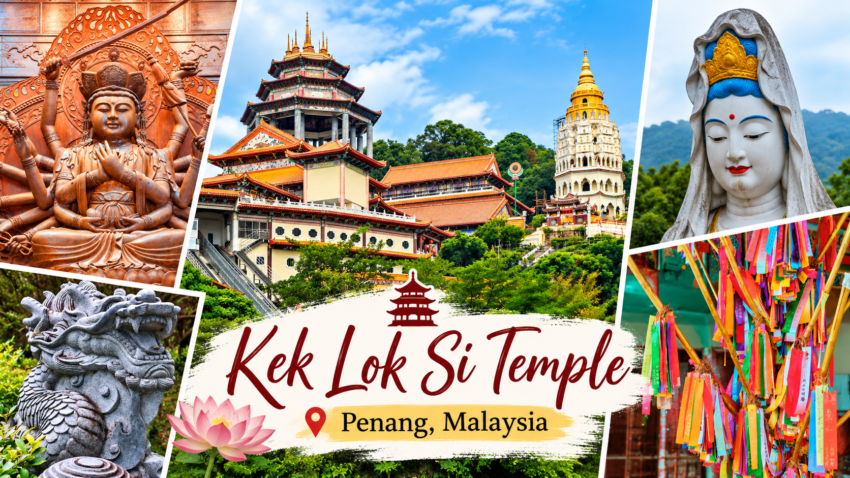
A visit to Kek Lok Si Temple is part sightseeing, part slow wander, and part figuring out how to get up the hill. You’ll find colourful roofs, prayer halls, statues and broad views over Air Itam. There’s also a practical detail worth knowing before you arrive: depending on how you enter and which areas you want to see, you may use a small temple toto and queue for the inclined lift.
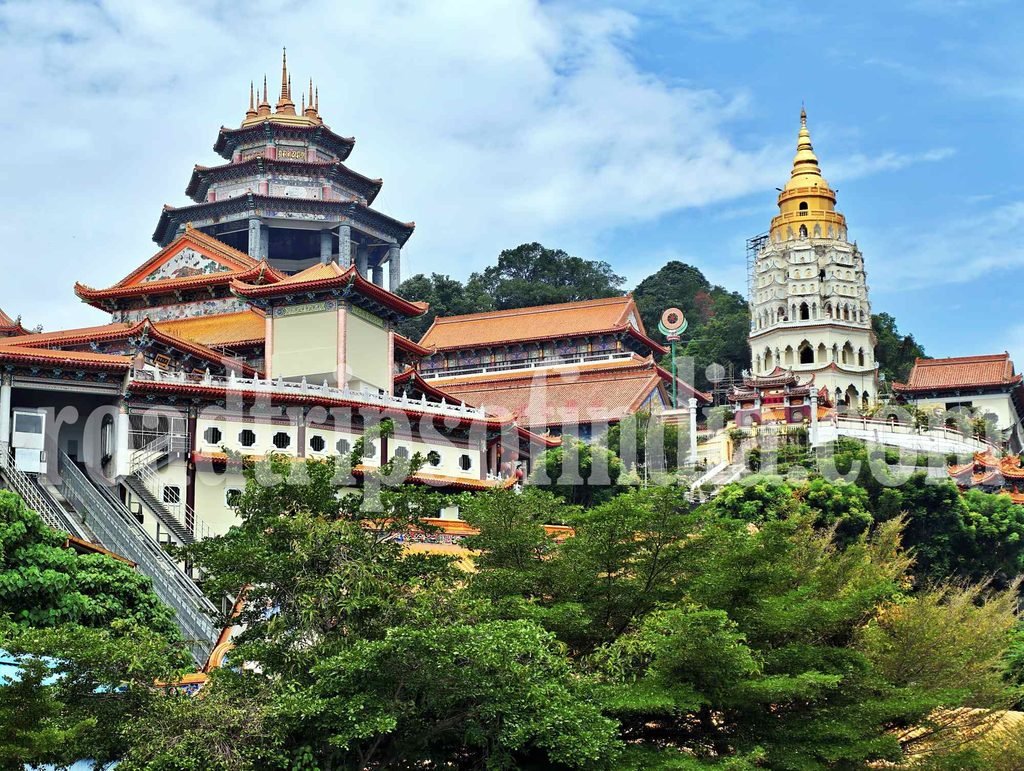
The temple sits in Air Itam, on the island of Penang, Malaysia. It is a major Buddhist place of worship as well as a well-known stop for visitors. This guide explains how to get there, what the trip through the complex can involve, why the temple matters, and what to check before you go.
Why Kek Lok Si Temple is special
Kek Lok Si Temple is often translated as the “Temple of Supreme Bliss.” It began in 1890 and grew over time into a large complex of halls, pagodas, courtyards and hillside terraces. Its scale is striking, but what makes the visit interesting is how the parts fit together: this is a working religious site, with worshippers and visitors sharing the grounds.
Kek Lok Si Temple ’s best-known landmark is the seven-storey Ban Po Thar Pagoda, also called the Pagoda of Ten Thousand Buddhas. Its design brings together Chinese, Thai and Burmese influences. The mix is easy to spot as you look from the broad Chinese-style lower levels up towards the Thai-influenced section and Burmese-style crown. The pagoda is a good reminder that Buddhist traditions travelled and developed across the region.
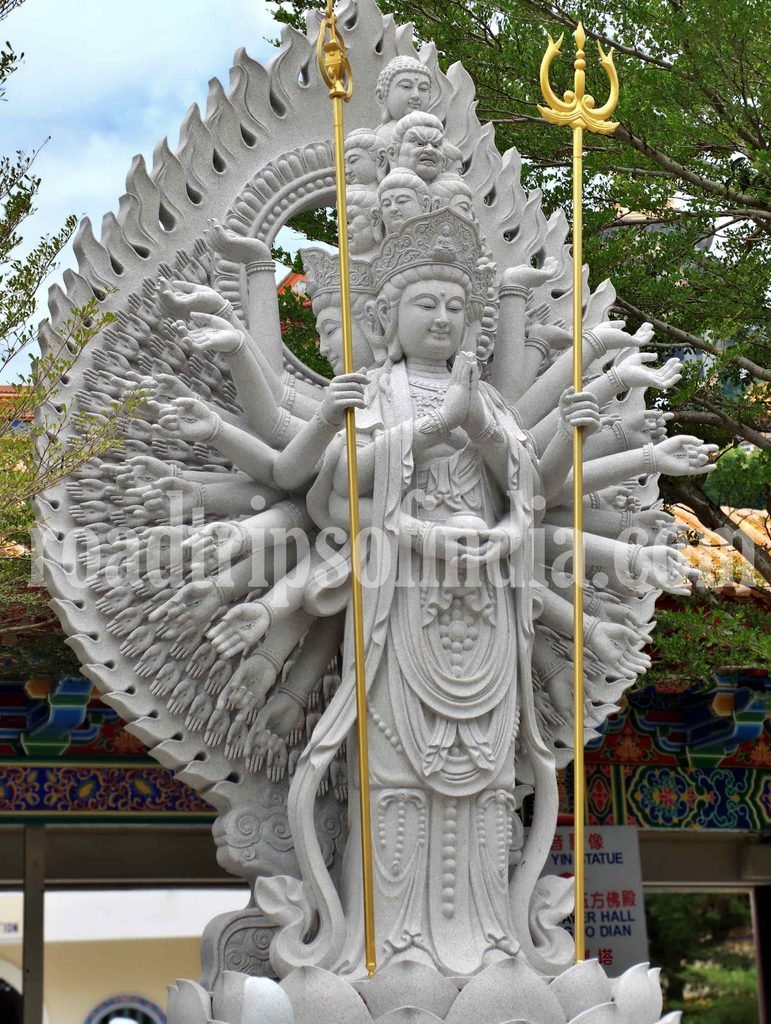
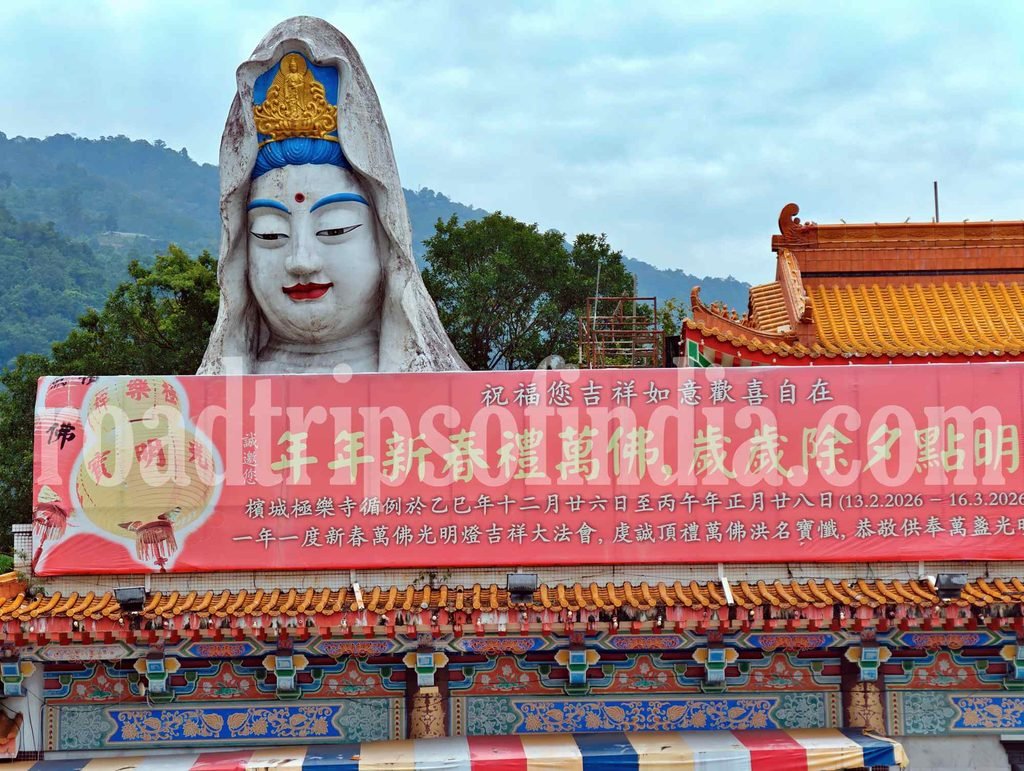
Another important figure here is Guanyin, known in English as the Goddess of Mercy. In Buddhist tradition, Guanyin is associated with compassion. The large statue and its pavilion sit high above the lower temple area. Visitors often go up to see them, while devotees may come to pray, make offerings or spend quiet time at the temple.
The temple’s importance is not only architectural. For many people, it is a place of devotion and pilgrimage. For other visitors, it offers a chance to learn about Buddhist practice and Chinese Malaysian heritage. Take a moment to notice the difference between looking at a shrine as a photo subject and recognising that it is part of someone’s spiritual life.
How to reach Kek Lok Si Temple
The temple is in Air Itam, roughly southwest of central George Town. The simplest choice for many visitors is a taxi or ride-hailing car, especially if travelling as a family or if you want to combine the temple with Penang Hill. Traffic can affect the journey, so allow extra time and confirm your drop-off point with the driver.
For public transport, Rapid Penang bus 204 connects Weld Quay and Komtar with Air Itam and the Penang Hill lower station, passing the Kek Lok Si area. Check the operator’s current route and live timing before setting off; buses can be affected by traffic, and the walk from your stop depends on where you get off. Carry small cash and check the current fare before boarding.
If you’re staying outside George Town, you can travel towards the city centre or Komtar and connect to the bus or a taxi from there. From Penang International Airport, a taxi or ride-hail is usually the most straightforward option with luggage. The bus is a lower-cost alternative, but may involve a transfer and a longer trip. Check your route in a current journey planner on the day.
Once you reach the Air Itam area, look for the temple entrance and signs. The complex climbs the hillside, so reaching the upper parts involves walking and changes in level. Keep your phone map handy, but follow temple signs and staff directions once inside.
What to Expect Inside: The Toto and Lift
The visit can feel like a little journey up the hill. Depending on where you enter and which upper areas you want to explore, there may be a temple toto, a small transport vehicle, to help visitors cover part of the slope. Follow the staff’s directions about where to board and where the toto will drop you. It is always a good idea to ask about the current arrangement and any applicable fee before getting on, as these details may change.
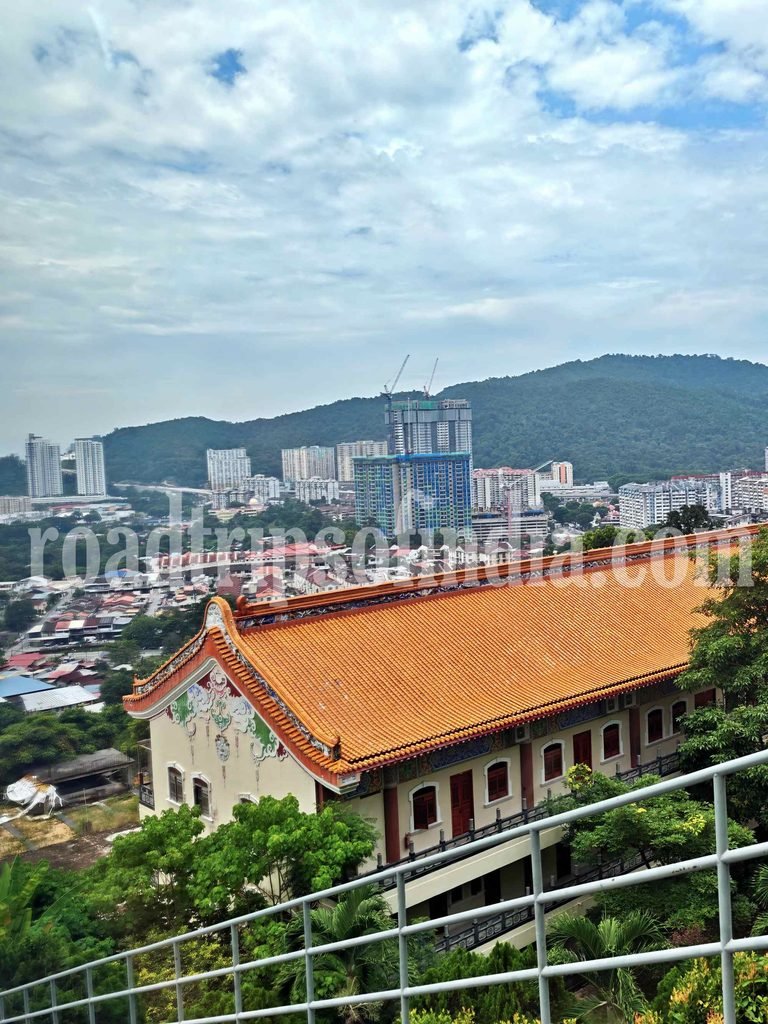
From there, you may need to wait for the inclined lift that carries visitors towards the upper pavilion and the Guanyin statue. The lift is a convenient way to navigate the steep temple grounds, but it has limited capacity. Queues are possible, particularly on weekends, public holidays and during busy travel periods. Keep some flexibility in your schedule rather than planning your visit down to the minute.
Exploring the Upper Temple: Guanyin Statue and Panoramic Views
Once you reach the upper level, take some time to explore the surroundings and appreciate the beauty of the temple complex. The magnificent Guanyin statue is one of the highlights of the visit, and the surrounding pavilion offers an opportunity to admire the intricate architecture and peaceful atmosphere. You can also enjoy views of the temple rooftops, the green hillside and the surrounding neighbourhood. On a clear day, the scenery makes a wonderful backdrop for photographs. Remember to be respectful of visitors who are praying and avoid blocking pathways while taking pictures.
When you are ready to leave, your return journey generally follows the same route. Head back towards the lift area, queue for the ride down and then follow the staff’s instructions for the toto or walking route towards the lower entrance. It is worth asking where to wait for the return toto before leaving the upper area so that you know exactly where to go.
Treat the toto and lift as part of your overall visit plan rather than expecting instant transfers. Their availability, queues and operating arrangements may vary. If staff inform you that a service is not running, ask about the alternative walking route and consider whether the steep paths are comfortable for everyone in your group.
What to see as you explore in Kek Lok Si Temple
The temple is spread across several levels, so you don’t need to rush from one landmark to the next. The main temple halls give you a sense of the site’s devotional life. Look at the carved details, roof decoration and the different figures represented in the halls. Some spaces are active places of worship; keep your voice low and follow any signs about photography.
The Pagoda of Ten Thousand Buddhas is one of the most memorable stops. The structure itself is fascinating, and the changing architectural styles invite you to look closely. There may be a separate small admission charge to enter the pagoda. Confirm the current amount at the entrance before you go in.
The Guanyin statue is another highlight, especially because of its hilltop setting. The statue represents compassion and is a significant focus for worship. From the pavilion, you can look across Air Itam and the surrounding slopes. Take a few minutes to enjoy the view, but remember the pavilion is also part of a sacred space.
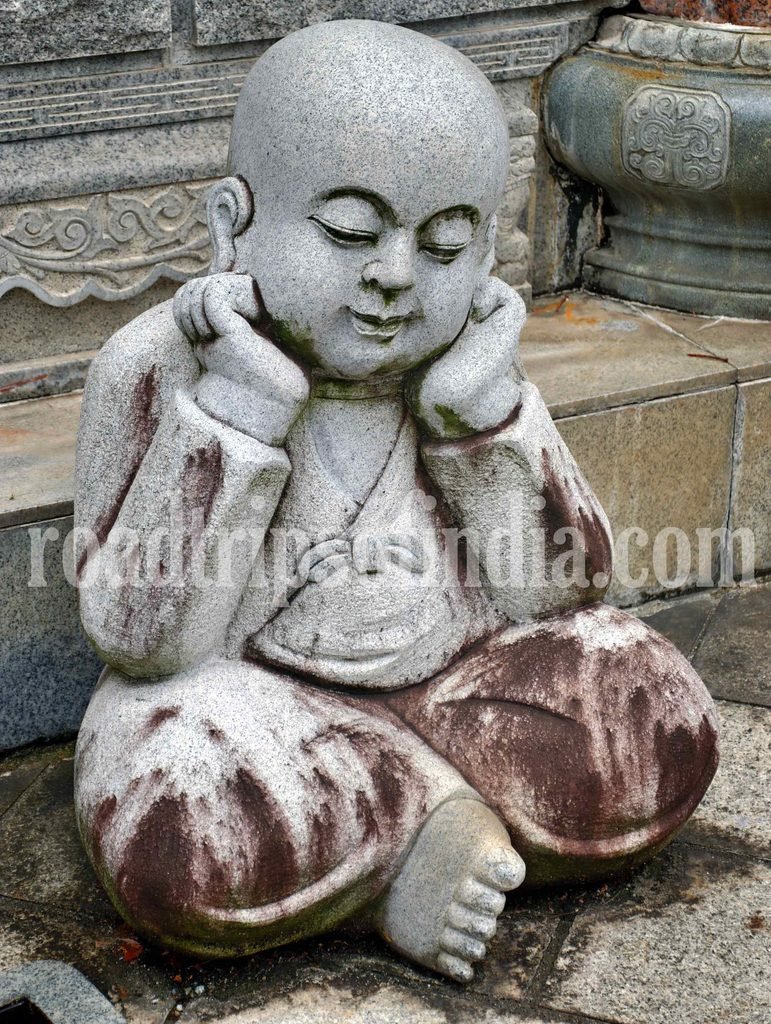
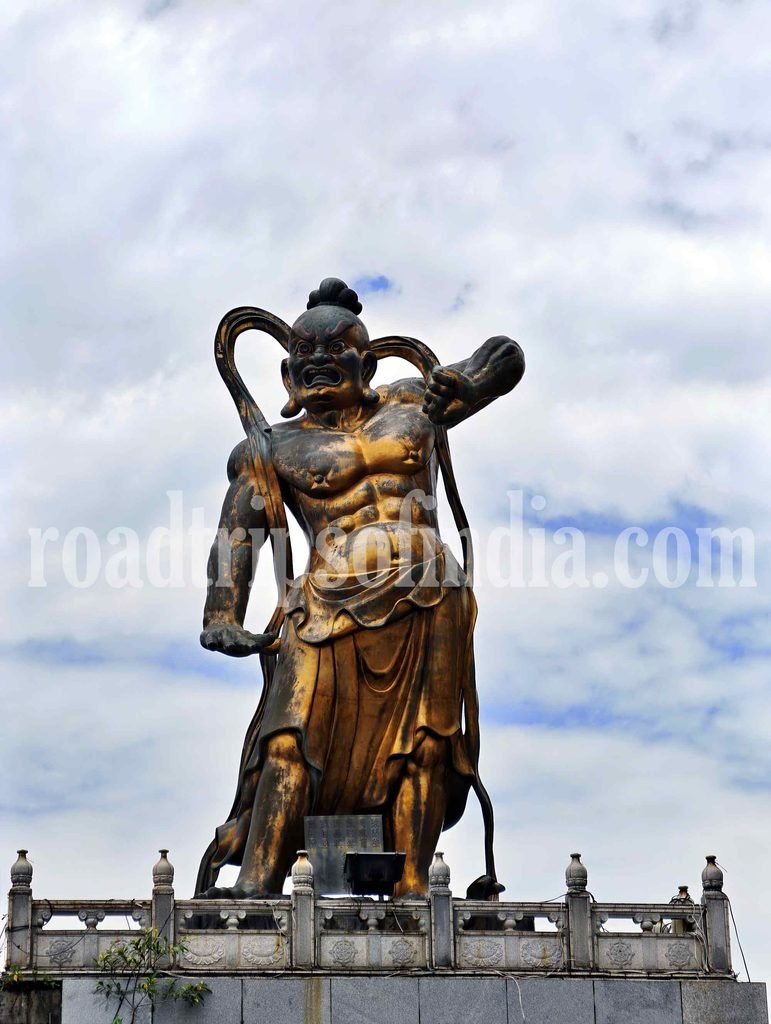
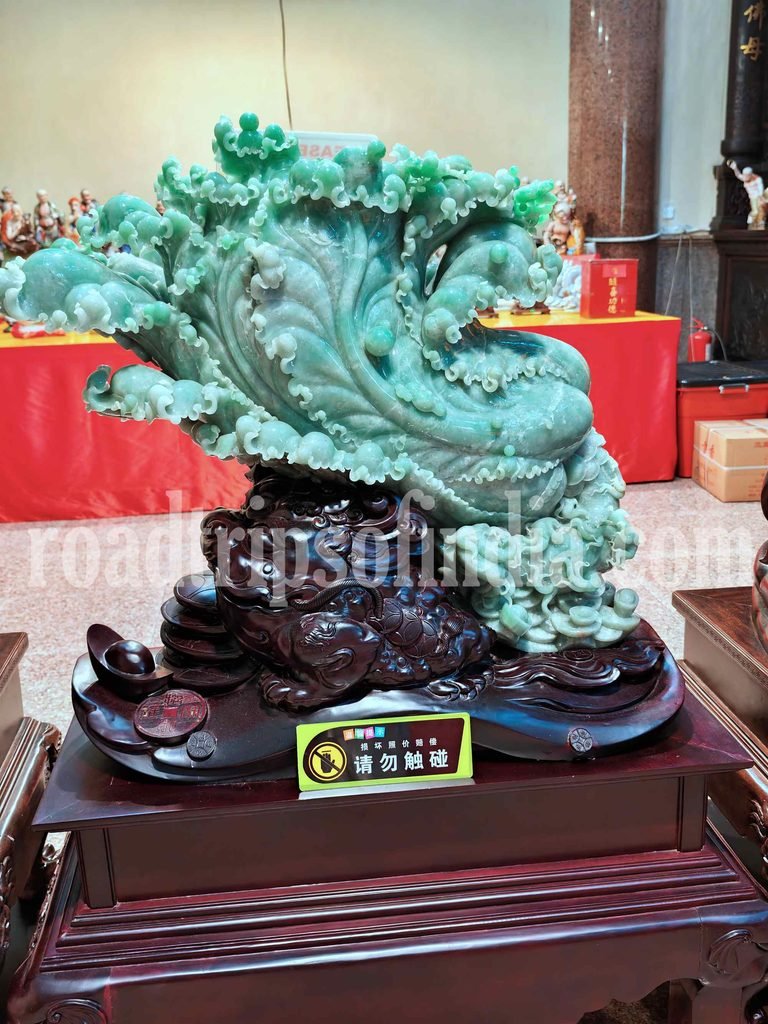
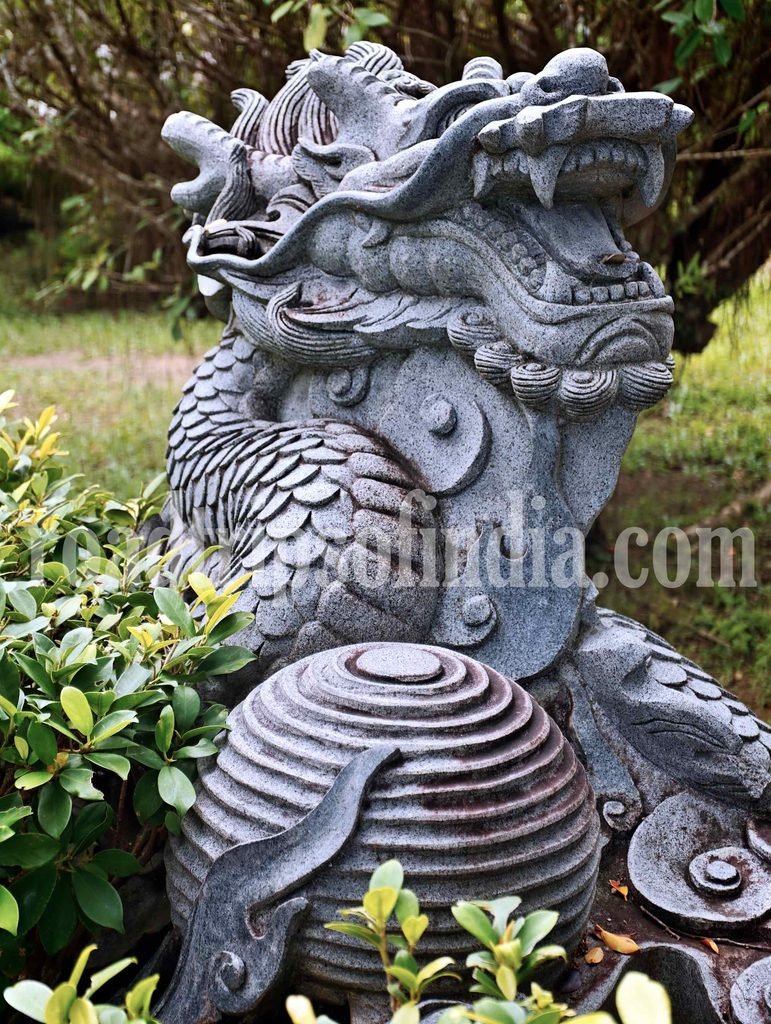
You may also see colourful ribbons or prayer offerings around the complex. These are not simply decorations; visitors should treat them respectfully and avoid moving or touching devotional items. The temple grounds have many sculptural details too, from protective figures to animals and ornate carvings. The photos you shared show several of these stone and metal figures, along with the temple roofs and hillside views.
Why the temple matters
Kek Lok Si matters because it brings religious practice, community history and regional art together in one place. Its long growth reflects the support of generations of devotees and donors. The architecture also tells a story of cultural connections: Chinese, Thai and Burmese styles appear within the same complex, reflecting the movement of ideas and traditions across Southeast Asia.
For worshippers, Guanyin’s association with compassion gives the upper shrine a particular meaning. The pagoda, halls and images offer spaces for prayer and reflection. Visitors who are not Buddhist can still appreciate the temple, provided they approach it with respect and remember that it remains a place of worship.
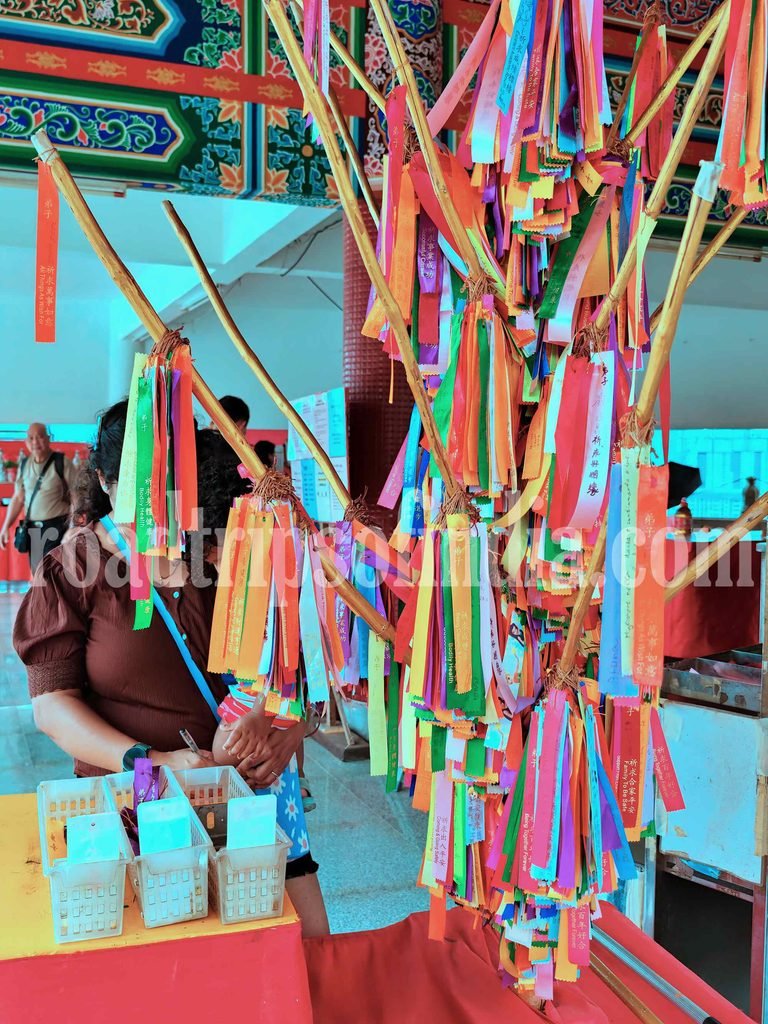
A simple way to make the visit more meaningful is to slow down. Instead of only photographing the pagoda or statue, notice how people use the space: where they pause, make offerings or pray. You don’t need to know every ritual to be a considerate visitor.
Opening hours, fees and visit length
Penang’s official tourism directory lists Kek Lok Si Temple as open daily from 8:30 am to 5:30 pm. It says general admission is free, with a small charge for the pagoda and Sky Lift. The listing gives RM2 for each, but fees and operating arrangements can change, so confirm at the temple before entering paid areas.
Allow around two to three hours if you want to explore several levels, visit the pagoda and take the lift to the Guanyin pavilion. You may need more time during busy periods or if you’re visiting slowly with children or older family members. If you are combining the temple with Penang Hill, plan for a longer outing and check the Penang Hill funicular schedule separately.
The temple is a hillside complex with steps and sloped paths. The lift helps with one section, but it does not mean every part of the grounds is step-free. If you have mobility needs, ask the temple which areas can be reached comfortably on the day.
Best time to visit Kek Lok Si Temple
Penang is warm and humid, with rainfall possible through the year. The Malaysian Meteorological Department describes the country’s climate as having high humidity and substantial rainfall. For a temple visit, an earlier start can make the walk more comfortable and leave time for queues.
Bring water, sun protection and an umbrella or light rain layer. Wear comfortable shoes with a good grip. If rain begins, paths and steps may become slippery, so slow down and use handrails where available.
Chinese New Year is a particularly lively season around the temple, when festive lighting and decorations may draw larger crowds. The atmosphere can be memorable, but it is also a time to expect congestion and longer waits. If you prefer a calmer visit, choose a regular weekday and arrive earlier in the day.
Tips for families and first-time visitors
The toto and lift can make parts of the uphill visit easier, but families should still expect walking, slopes and waiting. Bring a carrier if a young child gets tired easily; whether a stroller is practical depends on the route and crowding. I could not confirm official stroller rules or baby-care facilities, so ask temple staff before relying on either.
A few helpful reminders:
- Keep children close around steps, railings and crowded areas.
- Agree on a meeting point in case someone gets separated.
- Carry water and a small snack for the journey, while following temple rules about food.
- Ask staff about the return toto stop before taking the lift up.
- Be respectful around prayer halls and avoid loud calls or flash photography where prohibited.
- Give yourself extra time if someone in your group walks slowly or needs to rest.
Where to eat and stay nearby
Air Itam is known for local food and market activity. If you have time after the temple, look for hawker-style food around the Air Itam market area. Penang specialities to try include assam laksa, char kway teow and cendol. These are general local suggestions; check ingredients and spice levels if you have dietary needs.
For accommodation, George Town gives you a wide choice of heritage stays, boutique hotels and larger properties, with convenient access to food and other sights. Search around central George Town or Komtar for a practical base. Air Itam may suit travellers who want to stay closer to the temple and Penang Hill, though lodging options are more limited than in the city centre. Compare transport access and current reviews before booking.
Frequently asked questions
Is entry to Kek Lok Si Temple free?
The temple grounds are generally free to enter. The pagoda and Sky Lift have separate charges according to the Penang tourism directory. Confirm the latest fee at the site.
Do I need to take the toto?
Not necessarily. The toto may help with part of the uphill journey, depending on the route and current service. Ask temple staff what is running and where it goes when you arrive.
Is there a lift at Kek Lok Si Temple?
There is an inclined lift serving the upper area near the Guanyin pavilion. You may need to queue, and access or operating times can vary. Ask staff about the return queue and route before travelling up.
How long should I spend at the temple?
Plan for about two to three hours if you want to see the main halls, pagoda and upper statue area. Add time for queues or a slower family visit.
How do I get to Kek Lok Si Temple from George Town?
Bus 204 serves the Air Itam and Penang Hill area from Weld Quay and Komtar. A taxi or ride-hail is a more direct option. Check current bus timing and your stop before leaving.
What should I wear?
Choose comfortable clothes and shoes suitable for walking on slopes and steps. As this is a religious site, dress respectfully and follow any posted guidance.
What is the importance of Kek Lok Si Temple?
It is an important Buddhist temple and place of worship, known for the Guanyin shrine, its pagoda and its blend of regional architectural influences. It also reflects the heritage and continuing devotion of Penang’s Buddhist community.
Kek Lok Si Temple is worth visiting for its religious importance, striking architecture and hilltop setting. Take your time, ask staff about the toto and lift before heading up, and leave enough time for the return trip. If you’re planning a wider Penang visit, pair it with a separate day or half-day at nearby Penang Hill.
Planning more time in Penang? Head up to Penang Hill for cooler air, wide views and a different perspective on the island. Read our Penang Hill blog for visitor tips.
Planning a Singapore trip too? Explore our guides to Gardens by the Bay, Merlion Park and the SkyPark Observation Deck. For family attractions, see our guides to the Singapore Zoo and Universal Studios Singapore, including Minion Land, the Battlestar Galactica Cylon ride, Transformers: The Ride, the Jurassic Park ride and Puss in Boots’ Giant Journey.
Also, you can checkout our instagram profile: https://instagram.com/roadtrips_of_india/