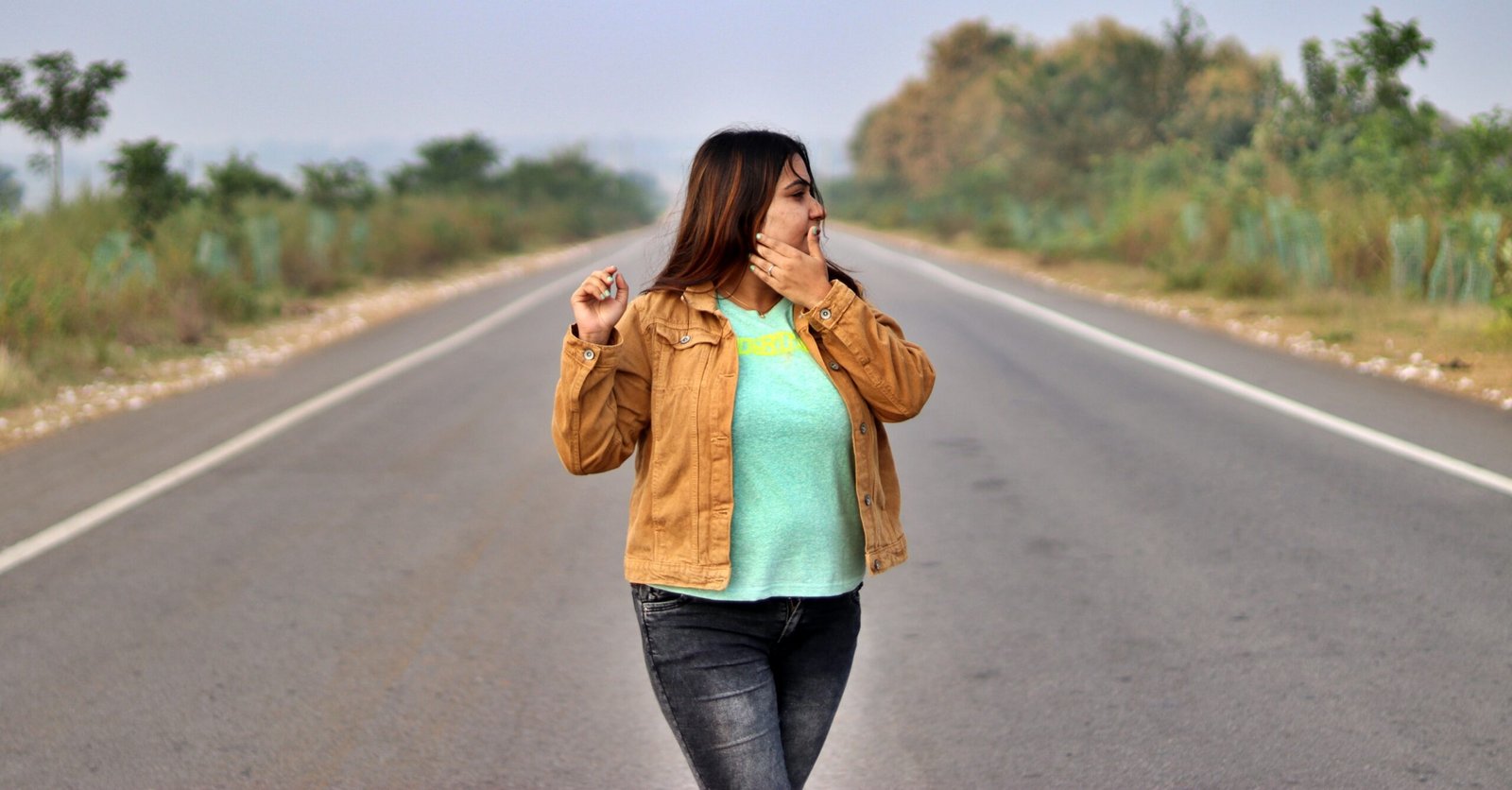
A real Indian traveller’s experience at pura taman kemuda saraswati in Bali—history, tips, timings, how to reach, and honest emotions.
Introduction – a quiet pause in busy Bali
pura taman kemuda saraswati came into my life on a day when Bali felt loud.
Scooters everywhere. Shops calling out. People clicking photos without stopping.
I was tired, honestly. Then I walked a few steps away from Ubud’s main road and suddenly… silence. Not full silence, but the good kind. Water moving. Soft bells. A calm that felt personal.
This temple does not shout for attention. It waits. And when you finally notice it, something inside you slows down too.
This is not a “must-see checklist” place. It’s more like a moment. A pause you didn’t know you needed.
Why this place is worth visiting
There are many temples in Bali. Some huge, some dramatic, some crowded.
But pura taman kemuda saraswati is different.
It feels intimate. Almost like it’s meant for individuals, not tour groups.
The lotus pond in front doesn’t try to impress. It just exists, quietly beautiful.
And the temple dedicated to Goddess Saraswati—knowledge, wisdom, art—somehow matches the energy of the place perfectly.
If you are someone who likes places that make you feel something, not just see something, this temple will stay with you.
History or background of Pura Taman Kemuda Saraswati
This temple was built in the early 1950s by a royal family member of Ubud, I Gusti Nyoman Lempad. He wasn’t just an architect. He was an artist, a sculptor, a thinker.
The temple is dedicated to Goddess Saraswati, the Hindu goddess of learning, music, and creativity.
As an Indian, this instantly connected with me. Different country, different culture, but the same goddess. Same respect for knowledge.
Balinese Hinduism has its own rituals and expressions, but the root belief feels familiar. Standing there, I didn’t feel like a foreigner. I felt… understood.
Architecture and natural beauty of Pura Taman Kemuda Saraswati
The first thing you notice is water.
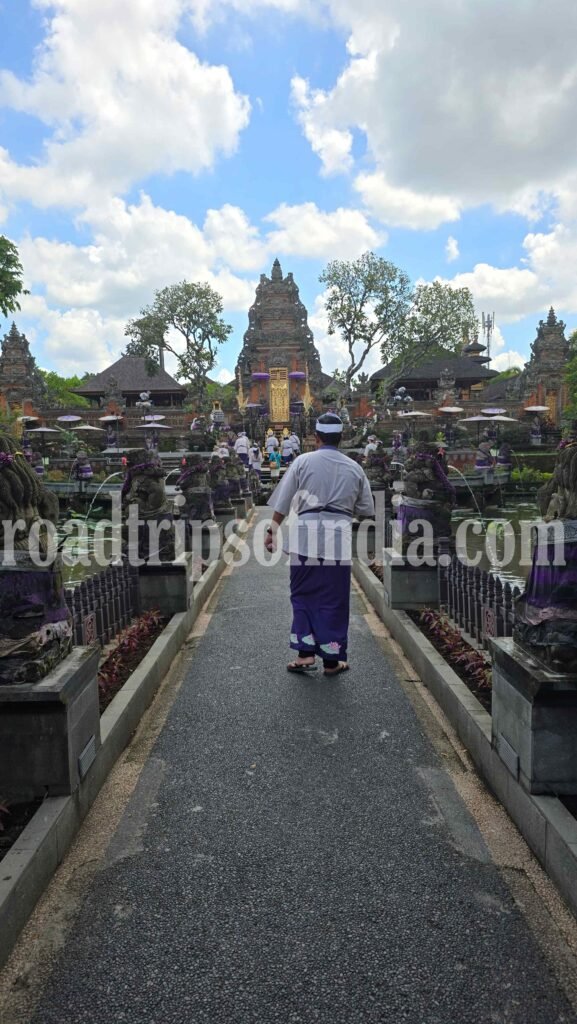
A long lotus pond stretches between the entrance and the temple. Pink flowers float gently. Sometimes fully bloomed. Sometimes half-open. Just like thoughts in your head.
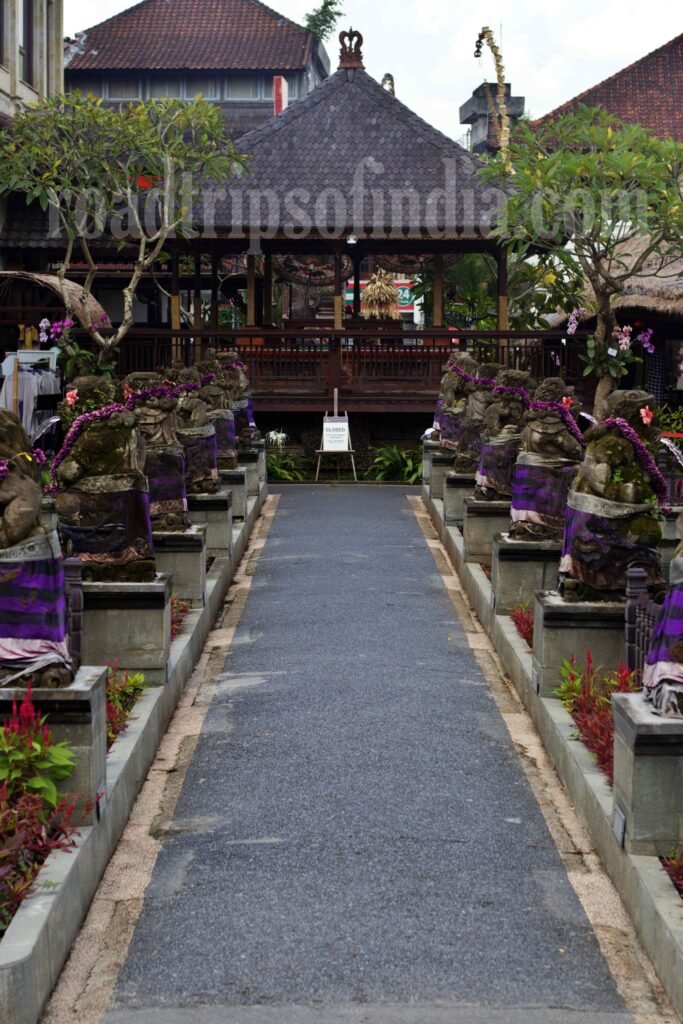
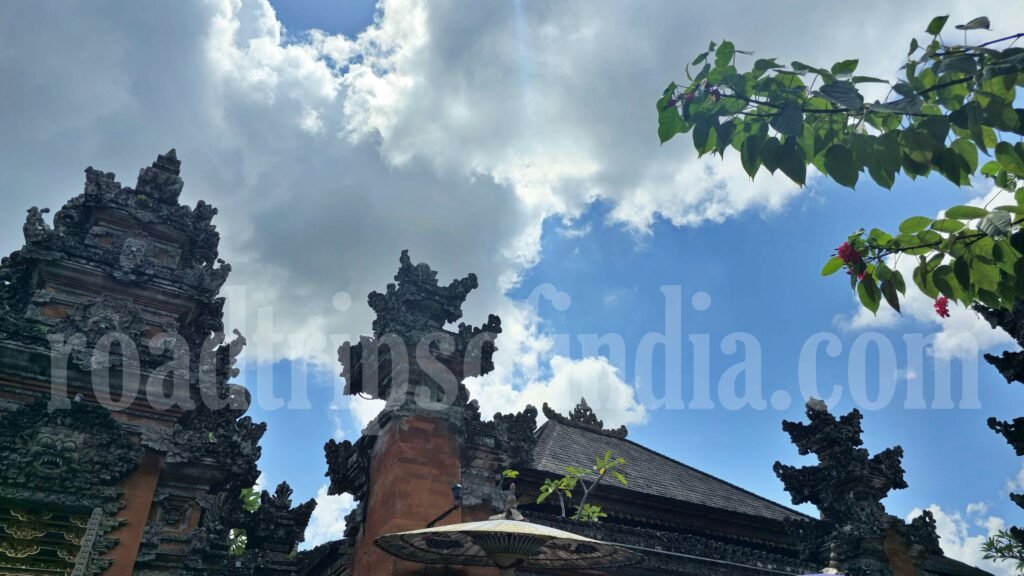
The temple structure itself is classic Balinese style—stone carvings, layered roofs, detailed sculptures. Nothing is flashy. Everything is intentional.
What I liked most was the balance.
Nature is not separate from architecture here.
Water, stone, plants, sky—they all belong together.
It’s not perfect symmetry. And that’s why it feels alive.
Mandatory attire – don’t skip this, please
One very important thing many people don’t tell you clearly.
It is mandatory for both men and women to wear traditional Balinese temple attire inside pura taman kemuda saraswati.
Sarong and sash are required.
No exceptions. No shortcuts.
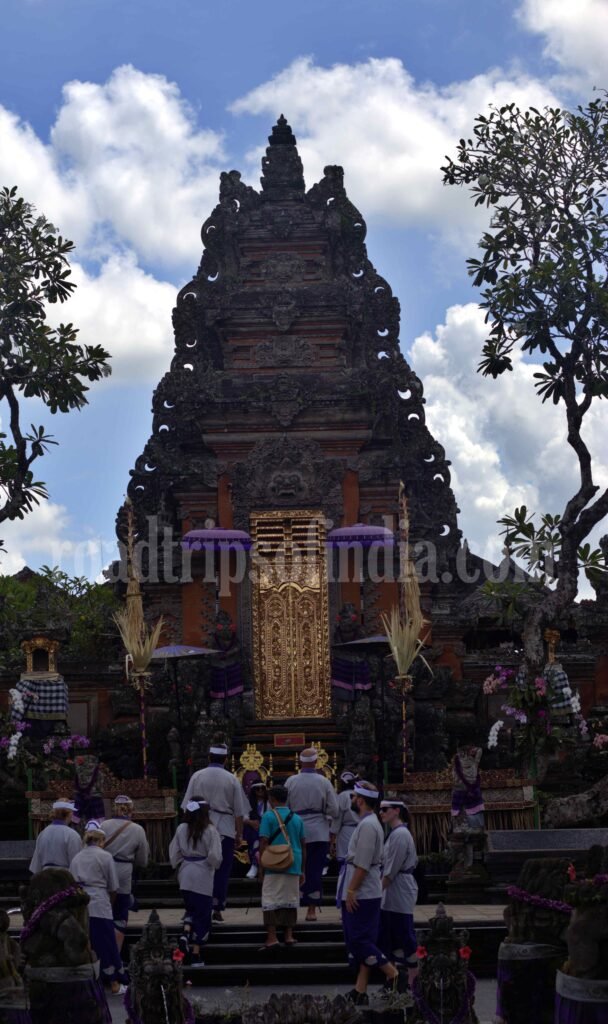
At first, I felt slightly unsure. New clothes. New culture. What if I look odd?
But trust me.
The moment you wear it, something changes.
It looks super beautiful.
Not costume-like. Not forced.
It actually makes you feel part of the place.
Men look graceful.
Women look elegant.
And suddenly, everyone blends into the temple’s energy instead of standing out awkwardly.
Honestly, half the beauty of this temple comes alive after you wear the attire.
Inside the temple – even more beautiful than outside
Most people think the magic is only near the lotus pond.
They are wrong.
The inside of pura taman kemuda saraswati is even more beautiful.
Beautiful variety of Orchids you will see.
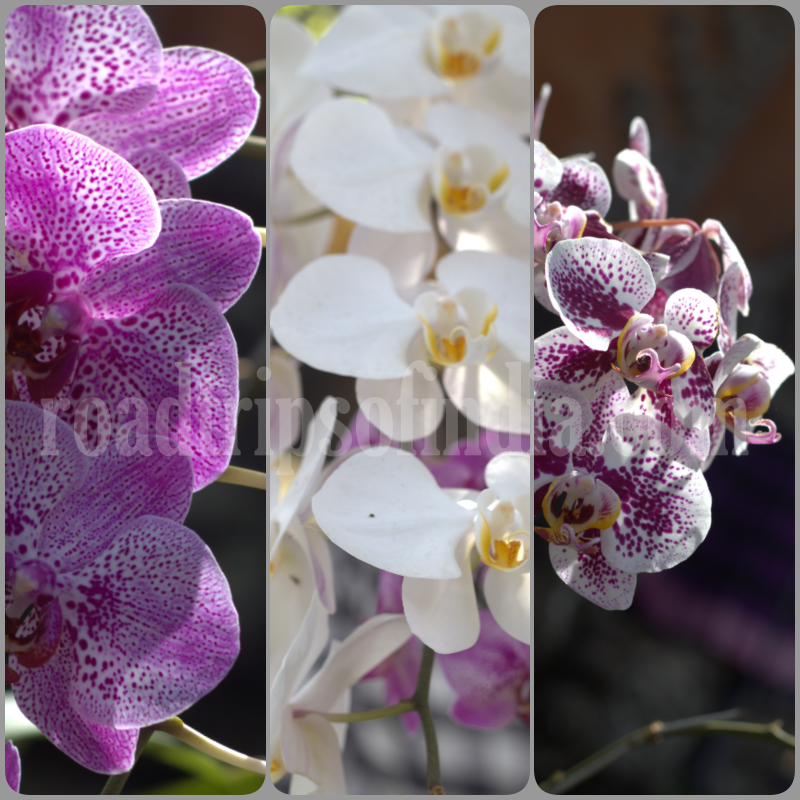
Once you step in, the noise drops.
The air feels cooler.
The carvings feel closer, more detailed.
There are corners where people sit quietly.
Some pray. Some just watch.
Nobody rushes you.
It doesn’t feel like a tourist place anymore.
It feels lived-in. Sacred. Soft.
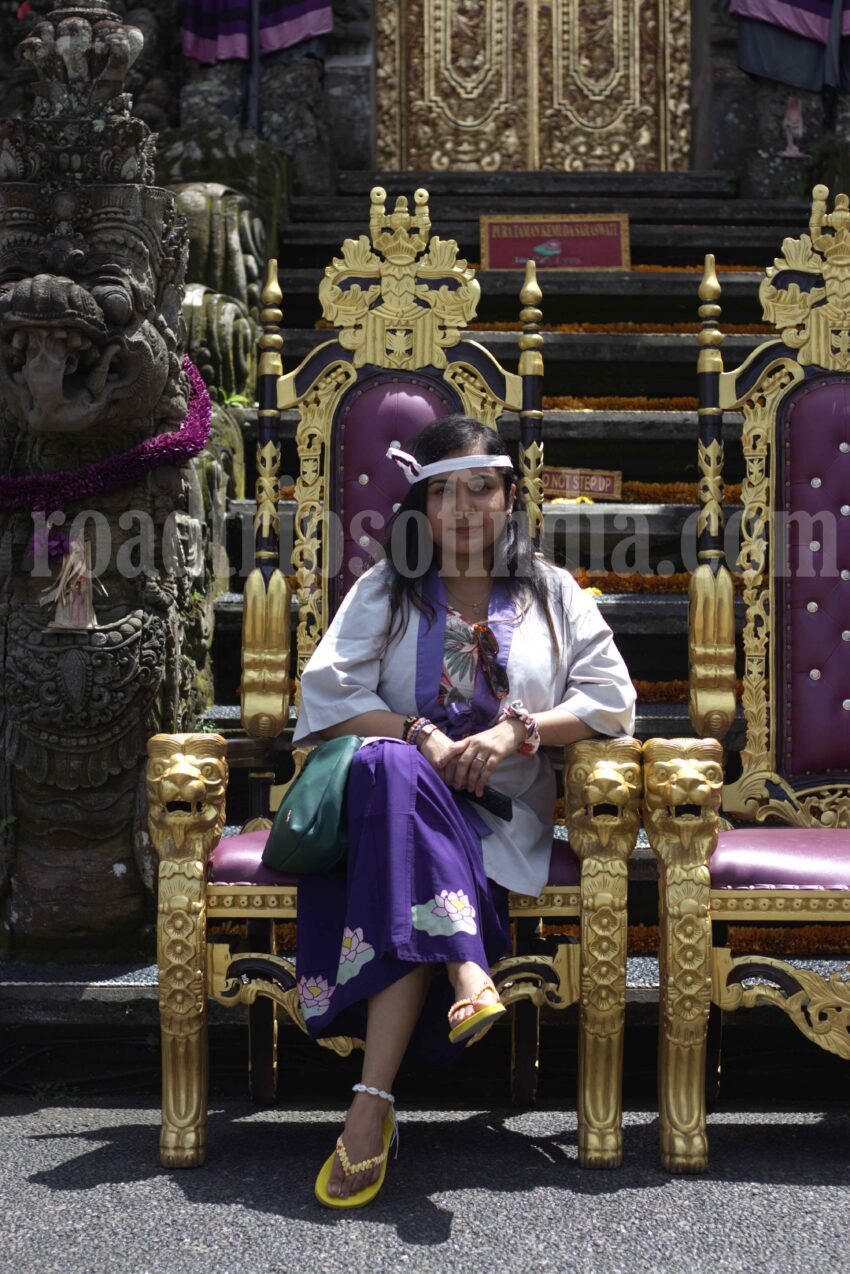
The throne spot – yes, people take pictures here
There is a throne-like seating area inside the temple.
People are allowed to sit there and take pictures.
At first, I wondered if it was okay.
But locals are around. They guide gently if needed.
When people sit there, dressed in temple attire, surrounded by stone carvings and calm light, the photos come out stunning. Not flashy. Not fake.
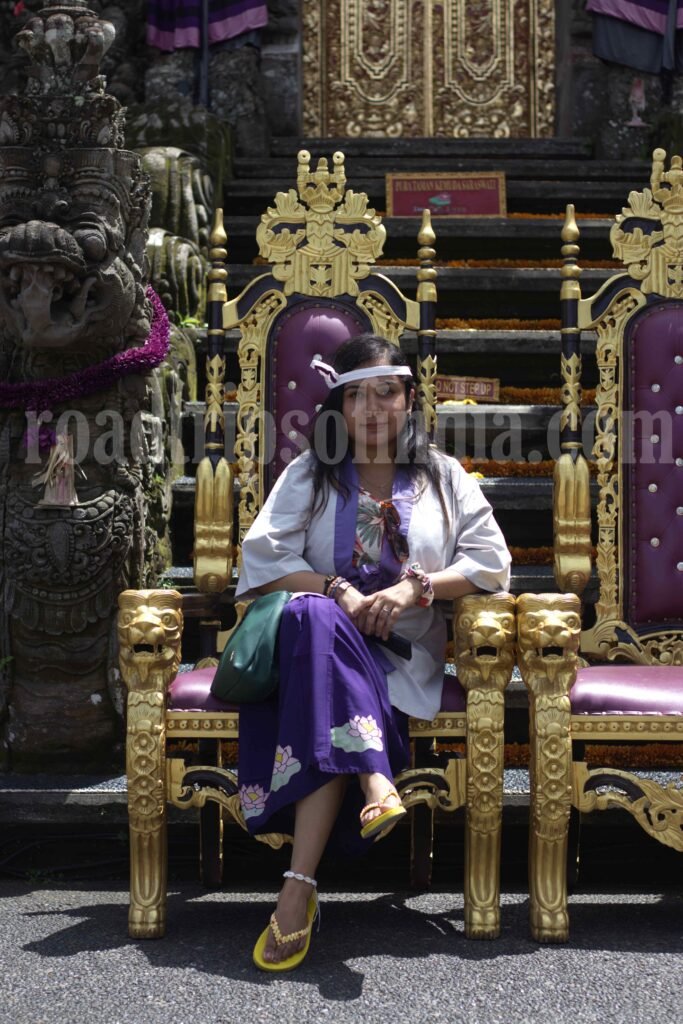
Just… peaceful.
Even if you don’t take pictures, sit there for a moment.
You’ll understand why people do.
Small personal thought on Pura Taman Kemuda Saraswati
I’ve been to places where rules feel heavy.
Here, they feel respectful.
Wearing their attire doesn’t limit you.
It adds to the experience.
pura taman kemuda saraswati feels incomplete without it.
Step-by-step visitor experience
Let me walk you through how it actually feels.
You enter from a narrow lane. Suddenly, the pond appears.
You stop walking without planning to.
There’s a small bridge. People slow down here. Phones come out, yes. But also smiles.
You walk closer. The temple sits at the far end, calm and composed.
Incense smell floats lightly.
Sometimes you hear prayers. Sometimes just water.
If you come in the evening, traditional dance performances happen inside. Even if you don’t watch the dance, just being around that energy feels special.
You don’t rush here. The place doesn’t allow it.
How Pura Taman Kemuda Saraswati was earlier vs how it is now
Earlier, this temple was mostly known to locals and serious travellers.
Now, thanks to Instagram and travel blogs, more people come.
Yes, it gets crowded at certain hours.
But surprisingly, it hasn’t lost its soul.
People still lower their voices.
Still remove shoes.
Still pause, even if for a few seconds.
That tells you something about the power of the place.
Things people usually miss
Most visitors take photos and leave.
They miss:
- The carvings on the side walls
- The sound of water flowing gently
- The small offerings placed quietly in corners
- The way light changes the temple colour near sunset
I almost missed these too. Then I sat down. Just five minutes. And everything became visible.
Practical tips nobody tells about Pura Taman Kemuda Saraswati
- Sit somewhere quietly before clicking photos
- Visit twice if you can—once in daylight, once in evening
- Don’t rush to the performance area; walk around first
- Wear modest clothes even if no one forces you
- Respect the space; it gives back more than photos
These small things change the experience completely.
Best time to visit
Early morning is peaceful but the lotus flowers may not be fully open.
Late afternoon to early evening is magical.
Soft light. Flowers open. Calm crowd.
If you like photography with fewer people, go just after opening hours.
Timings & tickets
- Open daily: around 7:00 AM to 6:00 PM
- Entry: Free
- Evening dance performances: Ticketed (usually affordable)
Sometimes timings change slightly during festivals, so don’t stress if things feel flexible. Bali works like that.
How to reach
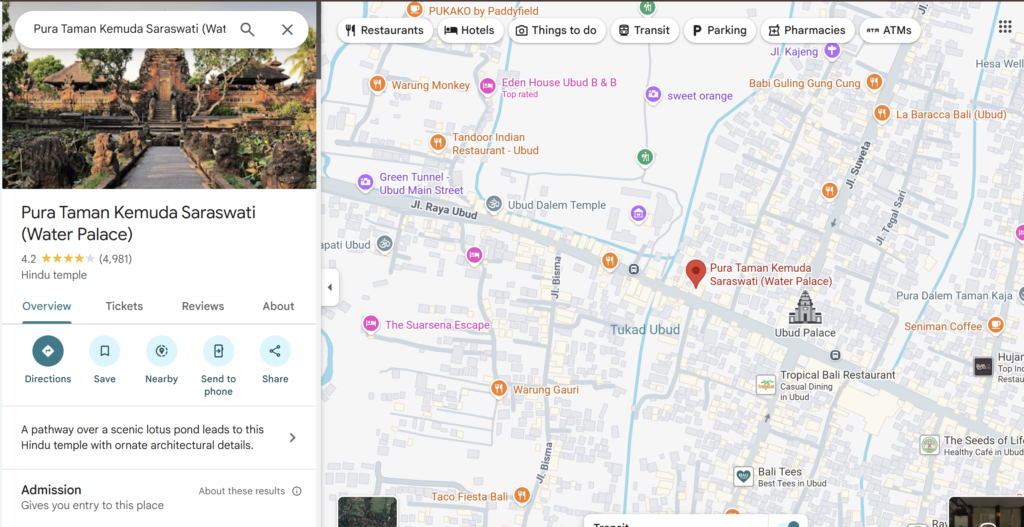
The temple is located in Ubud, very close to the main market area.
If you are staying in Ubud, you can walk.
From nearby towns, taxis and scooters are easily available.
Google Maps works well here.
Planning trip from India
Visa
Indian passport holders get visa-free entry to Indonesia for short stays.
Just ensure your passport validity is more than 6 months.
Flights
Direct and connecting flights are available from major Indian cities to Denpasar (DPS).
Prices vary by season, so book early if possible.
Currency
Indonesian Rupiah (IDR).
Carry some cash, but cards work in most tourist areas.
SIM
Local SIMs like Telkomsel are reliable.
You can buy one at the airport or in Ubud.
Food
Ubud has amazing food options—Indian, vegan, Balinese, cafés.
Near the temple, small restaurants offer peaceful dining with temple views.
Common mistakes to avoid
- Treating it like a photo spot only
- Visiting during peak noon heat
- Being loud or careless with offerings
- Ignoring local customs
A little awareness goes a long way.
Nearby places
After visiting pura taman kemuda saraswati, you can explore:
- Ubud Palace
- Ubud Art Market
- Campuhan Ridge Walk
- Small cafés tucked inside lanes
All are walkable and fit well into a slow day.
Map location section
pura taman kemuda saraswati is located in central Ubud, Bali, Indonesia.
Search the name on Google Maps and it will take you directly to the entrance.
Nearby landmarks include Ubud Palace and the main market area.
FAQs
Q1: Is pura taman kemuda saraswati crowded?
Yes, during peak hours. Early morning and late evening are calmer.
Q2: Is there any dress code?
No strict rule, but modest clothing is respectful.
Q3: Can we attend evening performances without temple visit?
Yes, tickets are available separately.
Q4: Is it suitable for kids?
Yes, if they are comfortable with quiet places.
Conclusion
I didn’t plan to feel emotional here.
But I did.
Standing in front of a temple dedicated to knowledge, far away from India, I felt connected. Not to religion exactly, but to something deeper. Respect. Stillness. Learning.
pura taman kemuda saraswati didn’t change my trip.
It changed my pace.
And sometimes, that’s enough.
Other Blogs
I’ve also shared my personal experiences from a few other beautiful temples that are worth visiting.
Ulun Danu Beratan Temple – https://roadtripsofindia.com/ulun-danu-beratan-temple-bali-indonesia-complete-guide-you-need-to-know/,
Tanah Lot Temple – https://roadtripsofindia.com/tanah-lot-temple-bali-indonesia-ultimate-guide-you-need-to-know/, and
Besakih Temple – https://roadtripsofindia.com/besakih-temple-bali-indonesia-ultimate-guide-on-how-to-visit-everything-you-need-to-know/. Each place has a different feeling, and I’ve written honestly so you can plan better, not just take photos.
To know us more follow us on instagram: https://www.instagram.com/roadtrips_of_india/
Related posts:
 Tanah Lot Temple Bali Indonesia: Ultimate Guide You Need to Know
 Besakih Temple Bali Indonesia: Ultimate Guide on How to Visit & Everything You Need to Know
 Ulun Danu Beratan Temple Bali Indonesia: Complete Guide You Need to Know
 Ammapalli Temple Shamshabad – Ultimate Travel Guide with Everything You Need to Know Before You Go