
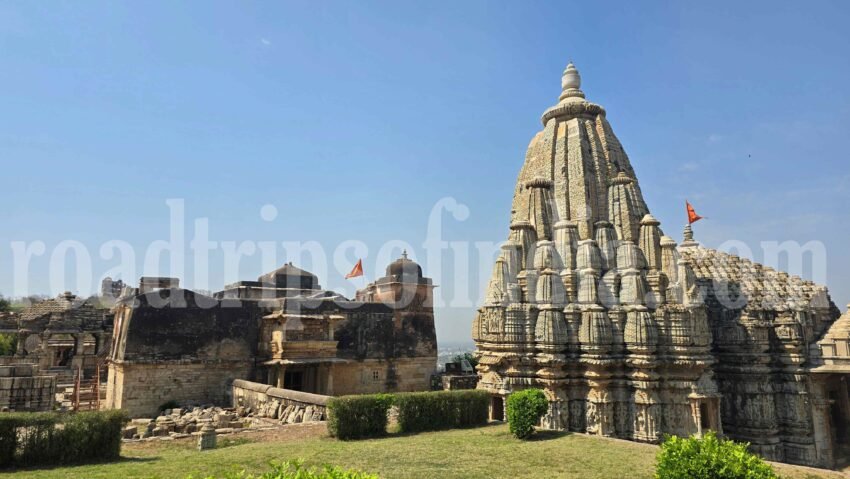
Discover Chittorgarh Fort Rajasthan in this detailed travel guide with history, things to do, top attractions, timings, tickets, how to reach, best time to visit, tips, and a well-crafted visitor experience based on real human-style exploration.
Introduction
There are forts in India, and then there is Chittorgarh Fort Rajasthan a world of its own. Most historical places leave you with a sense of curiosity, but this one leaves you with a mix of awe and emotion. You move through its pathways and feel the stories even before anyone tells you anything. The breeze carries a certain weight. The silence feels intentional. The ruins don’t seem abandoned; they seem thoughtful, almost protective of the memories they hold.
For a fort as old as this one, you would expect it to feel distant or cold. Yet it is surprisingly warm in presence. The large open spaces, the tall stone structures, the soft curves of the city spread below — everything invites you to slow down and understand the world of Mewar in a more human way.
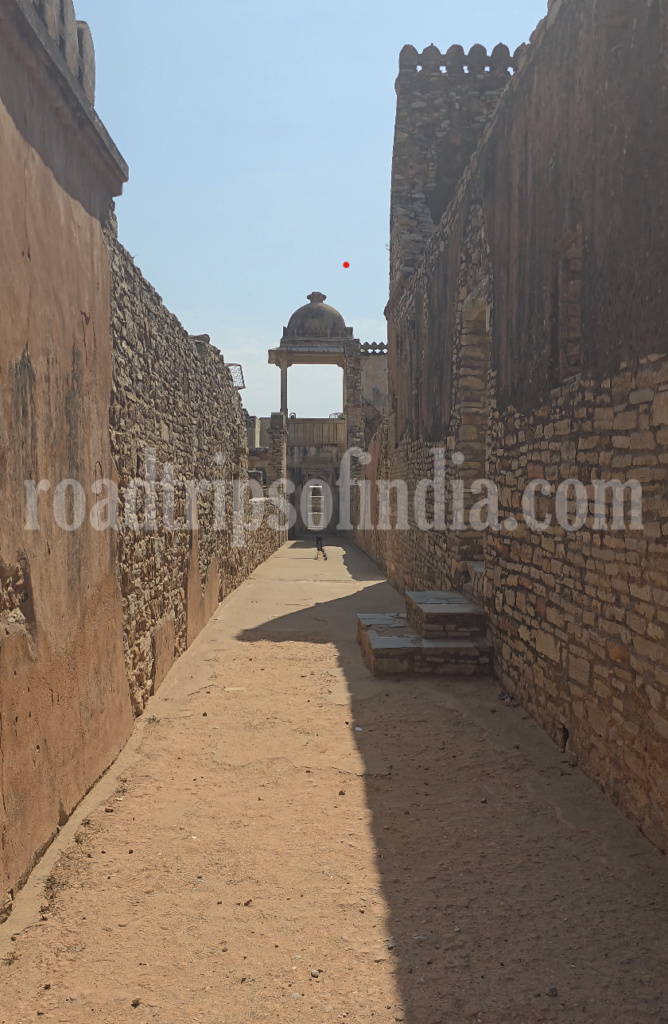
This guide is meant to take you through the fort gently. Not rushing, not throwing facts without soul — but combining the emotion of a real visit with a structured guide that helps you plan your trip well.
Why Visit Chittorgarh Fort Rajasthan
Chittorgarh Fort isn’t the kind of place you visit because it’s “just another tourist attraction.” It holds stories, victories, heartbreaks, sacrifices, and a sense of pride that defined Rajput culture. Here are meaningful reasons to visit this iconic fort.
The Fort Is Enormous — Truly Enormous
When people say Chittorgarh Fort is large, they are not exaggerating. Spread over 700 acres, it feels like an ancient city sitting quietly on a hill, watching centuries pass by. Walking through it takes time often half a day but that’s what makes the experience rich. You don’t just see monuments; you walk through wide open stretches, broken corridors, silent courtyards, old water bodies, and massive terraces overlooking the plains.
The Emotional Atmosphere Stays With You
Not every historical place has emotion. But Chittorgarh does. It’s in the way the wind echoes between towers, the way the stones feel warm and worn-out, and the way the ruins give you space to imagine. Even without a guide, you sense that this fort has seen more than textbooks can ever record. Whether you know the history or not, the atmosphere makes you reflect.
Incredible Views Everywhere
Because the fort sits on a tall hill, every edge opens into a gorgeous view of the city below. In the morning, the light is gentle and soft. By evening, the sky turns golden, and the entire landscape looks like a painting. The openness makes the photographs look dramatic without any effort.
Perfect for Photographers, History Lovers & Slow Travelers
If you enjoy taking pictures, you’ll find corners everywhere. Towers, arches, water reflections, open courtyards, and natural light create a blend that is rare. If you love history, Chittor offers more than a single story it offers layers. And if you’re someone who likes walking silently through ancient spaces, this fort is perfect.
The History of Chittorgarh Fort Rajasthan: Told in a Simple Way
The history of the fort is intense, but let’s look at it in a simple, clear way so it stays easy to remember.
Early Beginning
Chittorgarh Fort dates back to the 7th century. The Mauryas began its earliest structures, and the Sisodia Rajputs rulers of Mewar later expanded it. For centuries, Chittorgarh was their capital.
Three Major Sieges That Shaped Its Identity
The fort is famous not just for its architecture but for the dramatic sieges it endured.
Alauddin Khilji (1303)
This siege is linked to the story of Rani Padmini. The exact details are debated, but the essence stays: the fort was attacked, the Rajputs fought, and when defeat was certain, the women performed Jauhar. This event defines the emotional weight of Chittor.
Bahadur Shah (1535)
This siege caused heavy destruction. Again, the defenders resisted as long as they could.
Akbar (1567)
Akbar attacked to weaken Mewar politically. The defense led by heroes like Jaimal and Patta is still remembered with pride.
These battles shaped the identity of Chittorgarh — not as a fort that fell, but as a fort that never submitted mentally.
About Rani Padmini
When you move around Chittorgarh Fort and reach the area near Padmini Palace, the story of Rani Padmini starts coming into your mind on its own. I had heard this story so many times earlier, but standing there made it feel different. She was not just a queen from a textbook. She was a person living inside these same walls.
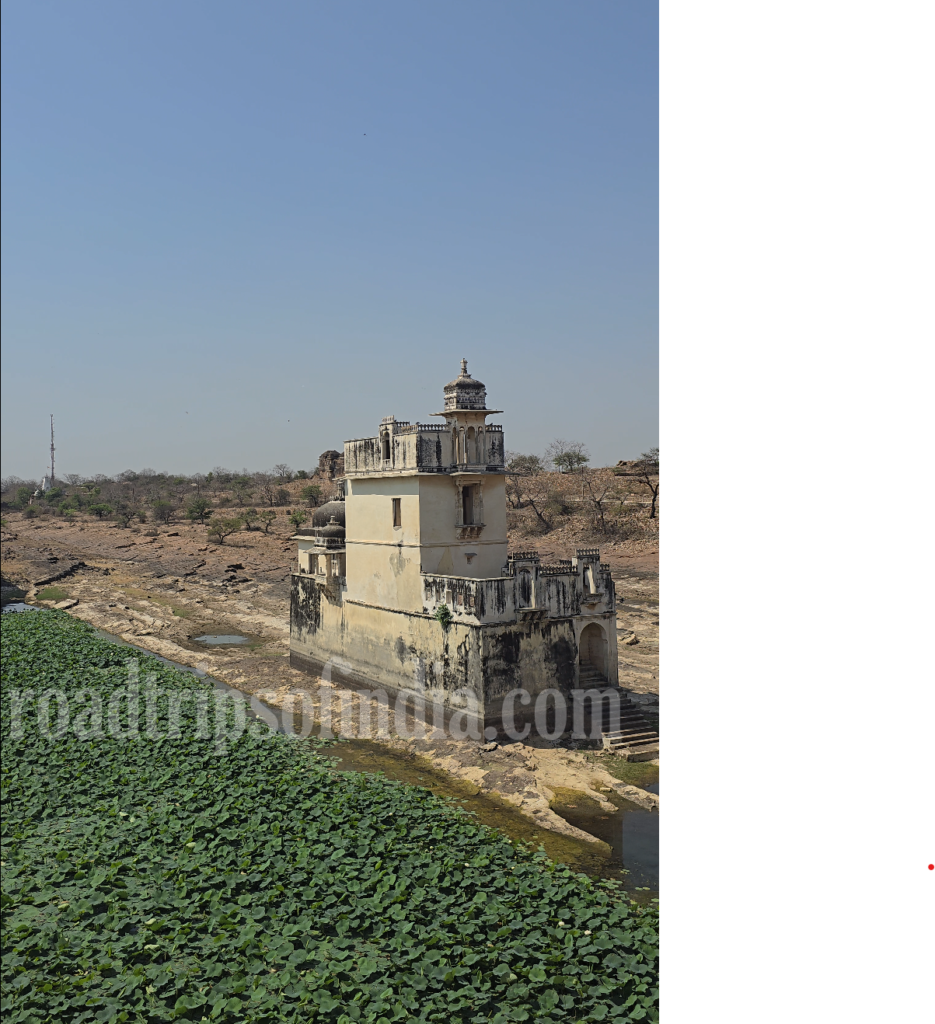
People talk a lot about her beauty, but what struck me more was how much pressure she must have faced. Imagine hearing that a powerful ruler like Alauddin Khilji wanted to see you, and then suddenly the fort is under threat because of that. It is hard to even picture that kind of fear or confusion. The place looks peaceful now, with the small lake and soft air, but the story behind it was anything but peaceful.
About the Jauhar
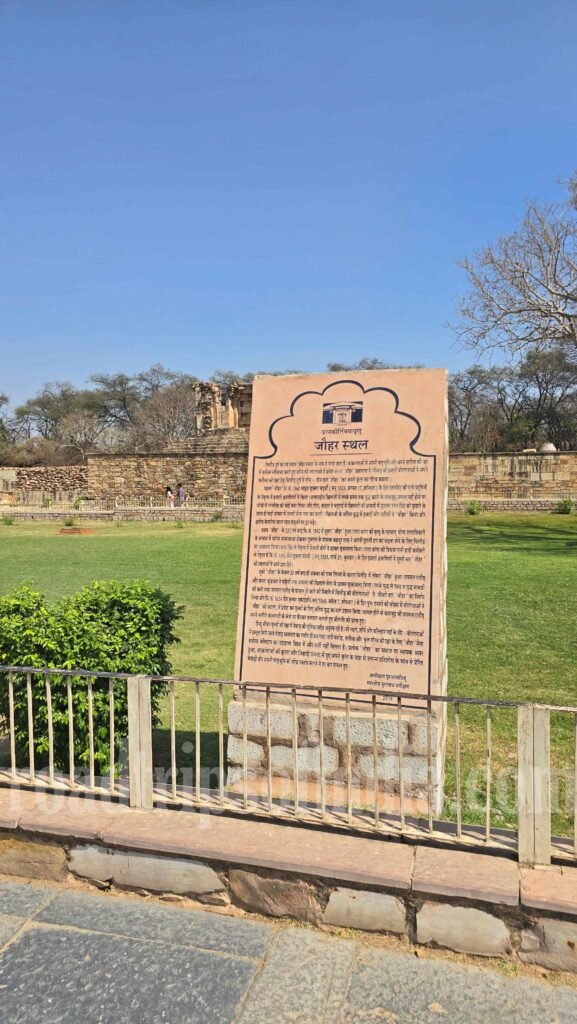
There is a large open area near the old palace where the Jauhar is said to have happened. When I walked through it, I honestly felt a bit quiet inside. No boards, no loud explanation — just empty space and a strange heaviness. The Jauhar was not a small thing. Thousands of women choosing death because the situation outside the fort was so dangerous… it is difficult to even imagine something like that today.
It wasn’t a moment of panic, was a decision. A very tough decision. They chose dignity according to their beliefs of that time. Whether someone agrees with it now or not, you can’t help but feel something when you stand there. You feel that this was real. These were not characters from a story. These were real families.
What You Feel Standing There
You don’t think “oh, this happened in 1303″, think “how did people even handle something like this?” The fort suddenly feels more human. Stop walking fast. You take a breath. You look at the walls again. They seem different because now you know what they have seen.
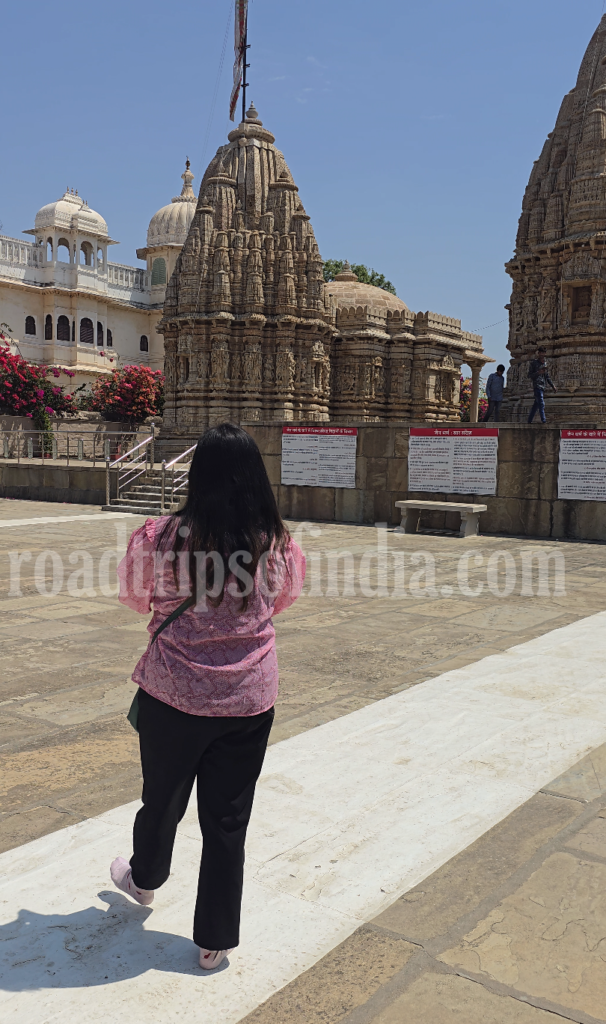
I stood there for a few minutes, not doing anything, just trying to imagine how fast everything must have changed for them. One moment living their normal life, next moment preparing for something so final. It makes you understand the depth of their courage.
Why the Story Still Stays
People in Rajasthan still tell this story because it is a part of their identity. When you leave the fort, you don’t only remember the towers or the views. You remember this story the most because it feels human and emotional. It is hard to shake off.
Important Things to Know Before Exploring Chittorgarh Fort Rajasthan
A few facts help you appreciate the scale and history more deeply:
It is a UNESCO World Heritage Site.
The fort walls run for about 13 km.
Originally, there were 84 water bodies; today about 22 remain.
Around 50,000 people once lived inside this fort.
Seven gates guard the fort, known as Pols.
The Vijay Stambh and Kirti Stambh are its tallest architectural features.
Top Attractions Inside Chittorgarh Fort Rajasthan
Vijay Stambh
Probably the most iconic symbol of Chittorgarh, the Vijay Stambh stands tall, proud, and intricately carved. Built by Rana Kumbha, the tower celebrates victory in battle. Standing close to it makes you appreciate the craftsmanship detailed figures, floral patterns, small sculptures, all carved with exceptional patience. You can climb the tower (when open), though the staircase is quite narrow.
Kirti Stambh
A slightly smaller but older tower dedicated to the Jain tradition. The carvings are gentle and intricate, giving the structure a divine presence. This area is quieter, so if you want a peaceful moment, you will like this place.
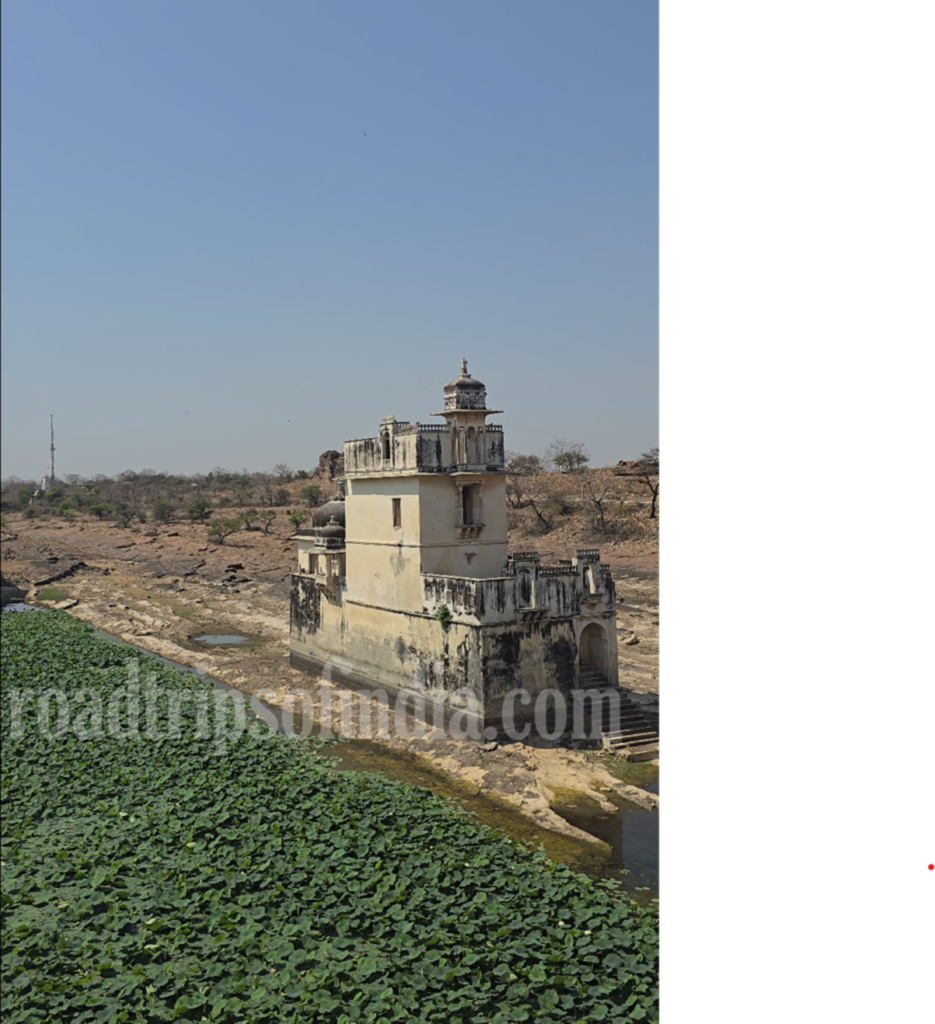
Rani Padmini Palace
This simple palace sits near a calm water body. The reflection of the building in the water makes the place look almost poetic. The surrounding area feels softer than the rest of the fort. It’s great for photography, especially in the afternoon.
Gaumukh Reservoir
A peaceful reservoir where water flows through a sculpted cow mouth. Travelers often sit here quietly because the place feels calm. The water remains steady throughout the year.
Meera Temple
Dedicated to Meerabai, this temple is beautifully carved and still active. You might hear devotees singing, and their voices echo wonderfully inside the temple space.
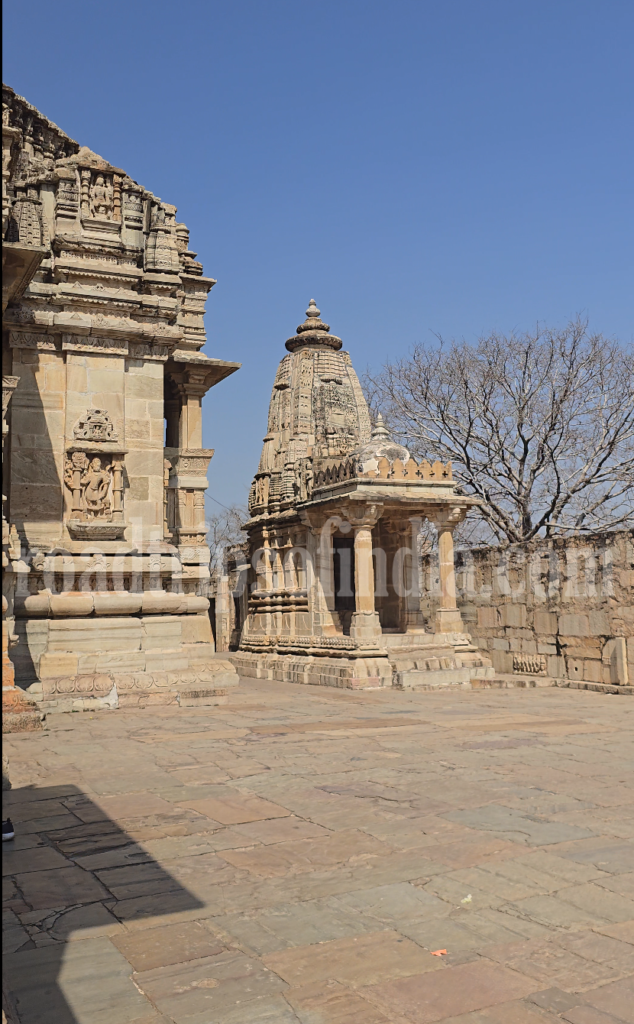
Kalika Mata Temple
Originally a Sun temple, later dedicated to Goddess Kali. The stone structure feels strong and grounded.
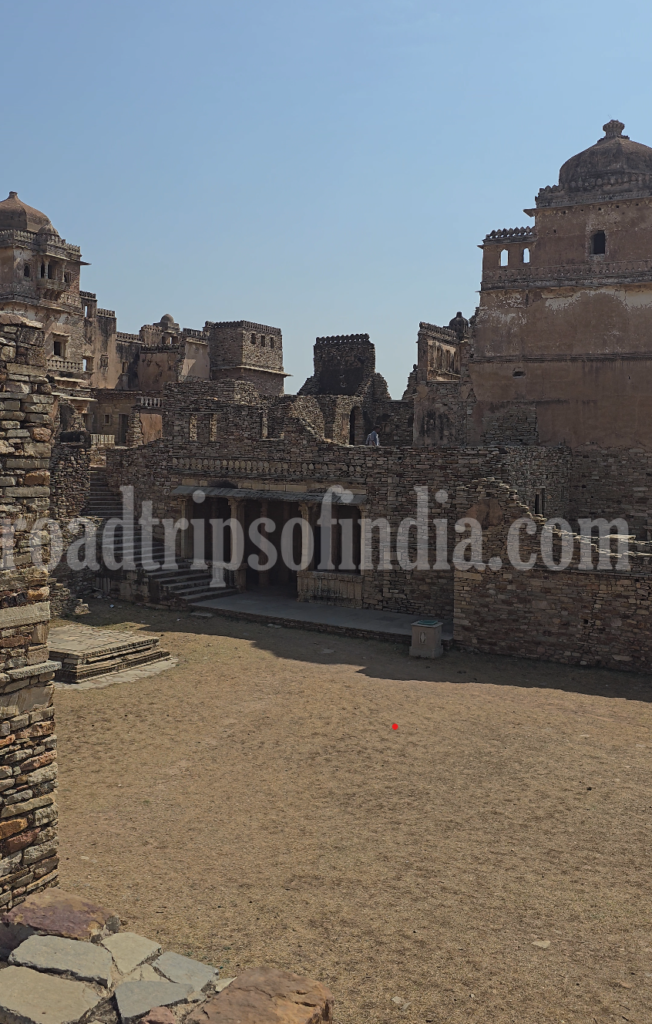
Ratan Singh Palace
Facing a lake, this palace offers lovely views. The ruins still show hints of the architectural planning of the Rajput era.
Fateh Prakash Palace & Museum
A good stop for anyone who enjoys artefacts, weapons, sculptures, and items from Mewar’s royal history.
Suggested Itinerary Inside the Chittorgarh Fort Rajasthan
To explore without getting overwhelmed:
- Start early — the fort gets warm later.
- Visit Vijay Stambh first.
- Walk to Rana Kumbha Palace.
- Explore Meera Temple & Kalika Mata Temple.
- Move towards Rani Padmini Palace.
- Take a slow break at Gaumukh Reservoir.
- Visit Kirti Stambh.
- End with the museum or sunset viewpoint.
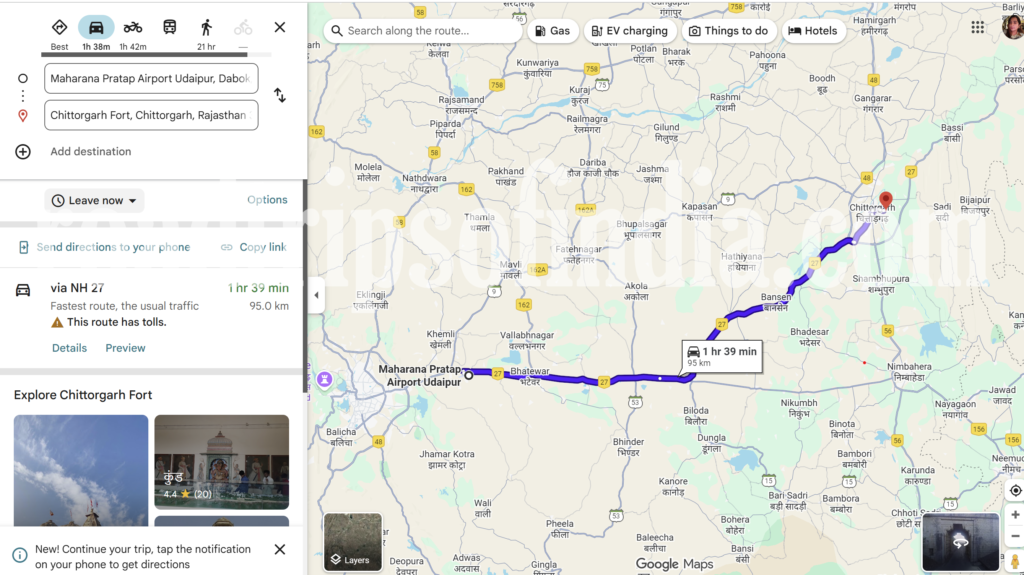
Location & Google Map Pin
Best Time to Visit Chittorgarh Fort
Winter (October–February)
Best season. Comfortable weather, clear skies.
Monsoon (July–September)
The fort looks beautiful and green.
Summer (March–June)
Hot. Visit early morning or late afternoon.
Timings & Entry Fee
- Timings: 9:00 AM – 6:00 PM
- Entry Fee:
- Indians: ~₹50
- Foreigners: ~₹200
- Light and Sound Show: Additional charges
How to Reach Chittorgarh Fort Rajasthan
By Road
Connected by bus and taxi from Udaipur, Ajmer, Jaipur, and Kota.
By Train
The railway station is about 6–7 km away.
By Air
Nearest airport is Udaipur Airport, 90 km away.
Travel Tips for a Comfortable Visit
Wear good shoes. The fort requires a lot of walking.
Carry water and sunglasses.
A hat helps in summer.
Explore early morning.
Keep cash for small purchases.
Photography lovers should come during golden hour.
Photography Tips Chittorgarh Fort Rajasthan
Vijay Stambh looks stunning in morning light.
Padmini Palace reflection is best in late afternoon.
Wide shots look great at Rana Kumbha Palace.
Sunset viewpoints offer dramatic sky colors.
FAQs
What is Chittorgarh Fort famous for?
For its Rajput heritage, bravery, stories of Rani Padmini, and iconic structures like Vijay Stambh.
How long to explore the fort?
4–5 hours comfortably.
Is the fort safe?
Yes, it is safe for families and solo travelers.
Can you take photos?
Yes, photography is allowed in most areas.
Is a guide needed?
Helpful but not mandatory.
Closing Thoughts On Chittorgarh Fort Rajasthan
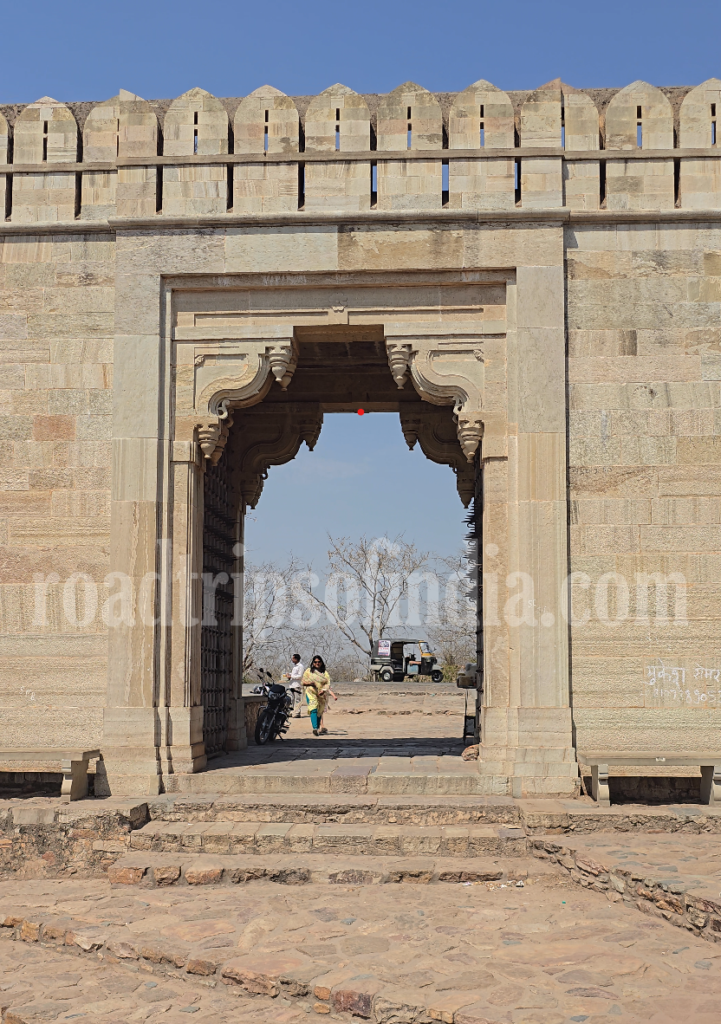
Chittorgarh Fort Rajasthan is not just a destination; it’s an experience. You walk in expecting a monument and walk out feeling a connection to people who lived centuries before you. Whether it’s the open courtyards, the quiet reservoirs, the palace ruins, or the towers that touch the sky, each part of the fort has its own personality.
The stories of courage, sacrifice, and pride are not just history here — they are feelings that settle in your mind as you walk through the pathways. If Rajasthan is on your travel plan, this fort deserves a full half-day of your time, maybe even more if you like slow travel.
You don’t just see Chittorgarh Fort.
You feel it.
To know us more follow us on instagram: roadtripsofindia
To read full blog on Udaipur do visit : https://roadtripsofindia.com/things-to-do-in-udaipur-all-you-need-to-know-about/
Do checkout our blog on Jaipur Places to visit : https://roadtripsofindia.com/jaipur-tourist-places-a-complete-guide-to-the-pink-city/