pura tirta empul temple in Bali is a sacred water temple known for holy springs, purification rituals, and a slow, grounding experience.
Introduction
I didn’t plan a visit to pura tirta empul temple the way people usually plan Bali trips. It came somewhere in between. One of those places someone casually mentions, and you nod without knowing why you’re nodding.
It’s in Bali, Indonesia, but not the Bali of beach clubs or perfect sunsets. This place feels quieter, even when it isn’t actually quiet. I remember walking in thinking to spend maybe half an hour here. However, I stayed longer. I didn’t check the time. That itself surprised me.
Why this place is worth visiting
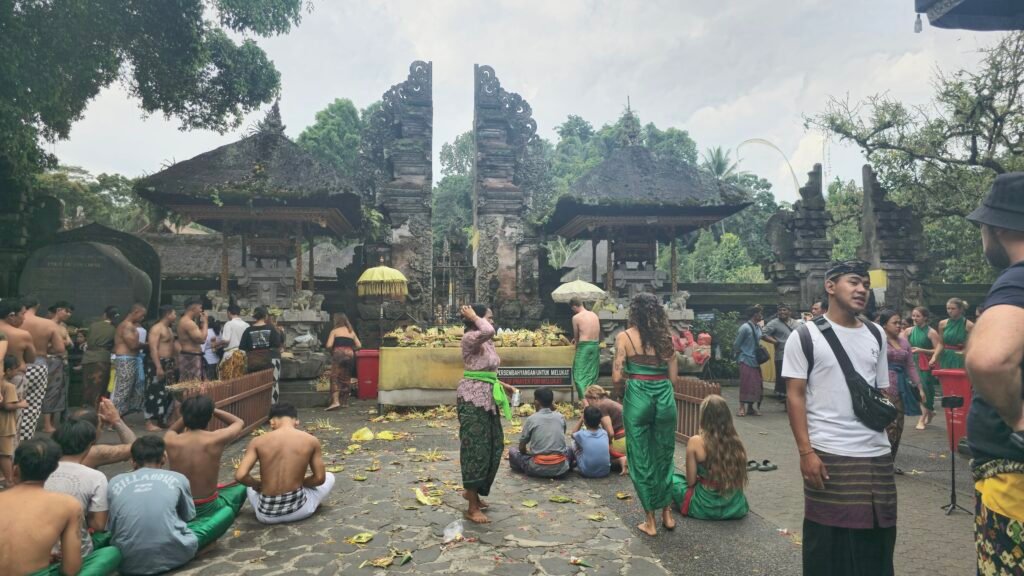
Bali has temples everywhere. By day three or four, you start mixing them up in your head. Stone gates, incense, offerings, prayers. pura tirta empul temple somehow doesn’t get lost in that mix.
Maybe it’s because you don’t just walk around here. You either step into the water or you stand and watch people who have done this their whole life. Either way, you slow down. Nobody tells you to, but you do. I noticed I stopped checking my phone without consciously deciding to.
History
Locals talk about the spring at pura tirta empul temple as something alive, not historical. The story goes that Lord Indra created this water after evil poisoned the land. The water healed it.
I didn’t hear this as a formal story. It came in bits, from a guide, from a local woman adjusting her offering, from overheard conversations. No one tried to convince anyone. It felt like common knowledge here, not mythology.
Architecture
The temple itself is simple. Stone structures, open courtyards, carvings softened by age. Nothing feels overdone. In fact, parts of it look almost unfinished, but in a good way.
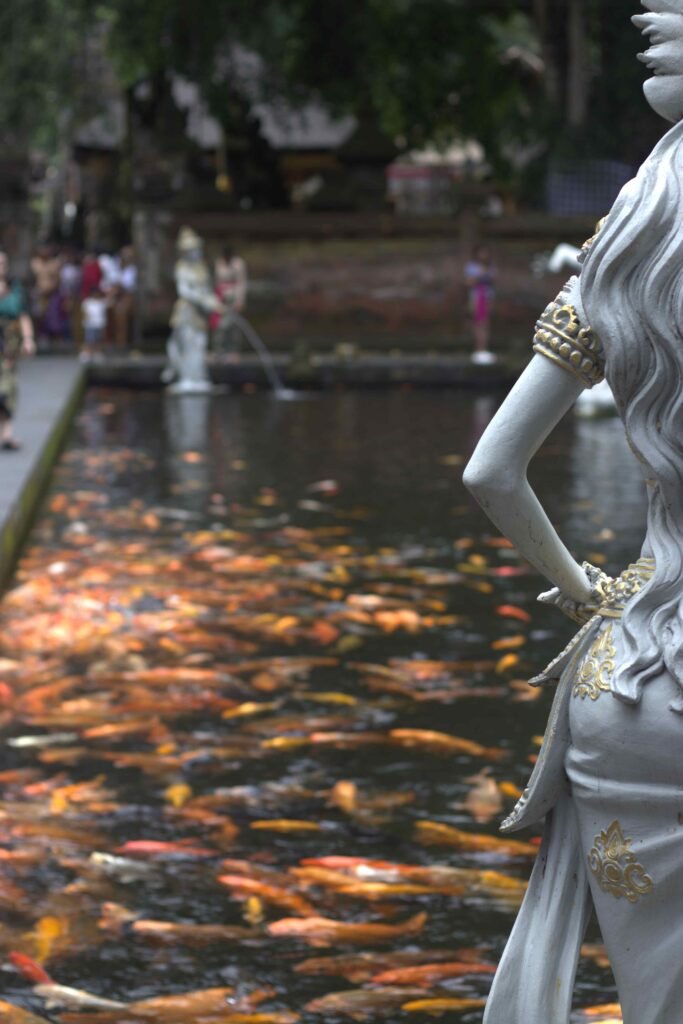
The water is what holds everything together. It keeps moving, constantly. Even when people talk or shuffle around, that sound stays. I didn’t realise how much it affected me until I stepped away and the sound faded.
Step-by-step visitor experience
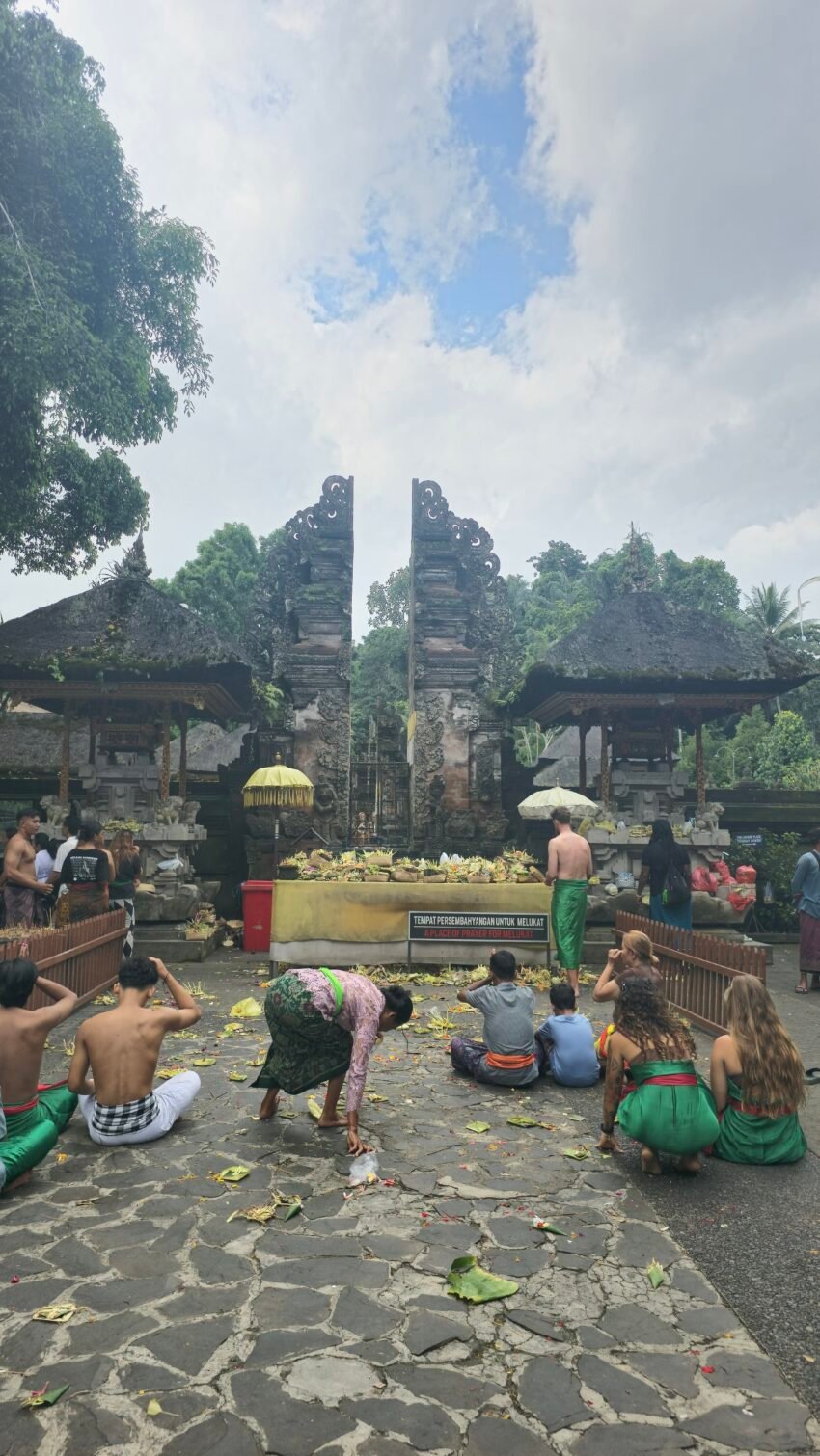
You enter through the gate and reach the outer courtyard. People are figuring things out. Adjusting sarongs. Asking small questions. It doesn’t feel sacred yet. It feels normal.
Then you move closer to the water. You change. You step in. The water is colder than expected, especially the first time. There’s a brief moment where you wonder why you’re doing this. Then you move on to the next spout.
After a few minutes, the questions stop. You just follow what others are doing. I’m not sure when that shift happened. I just know it did.
How it was earlier vs how it is now
Earlier, pura tirta empul temple was mostly for locals. That’s obvious when you see old photos or hear people talk. Now it’s crowded, especially in peak season. Phones are everywhere. Some people clearly don’t know what they’re doing.
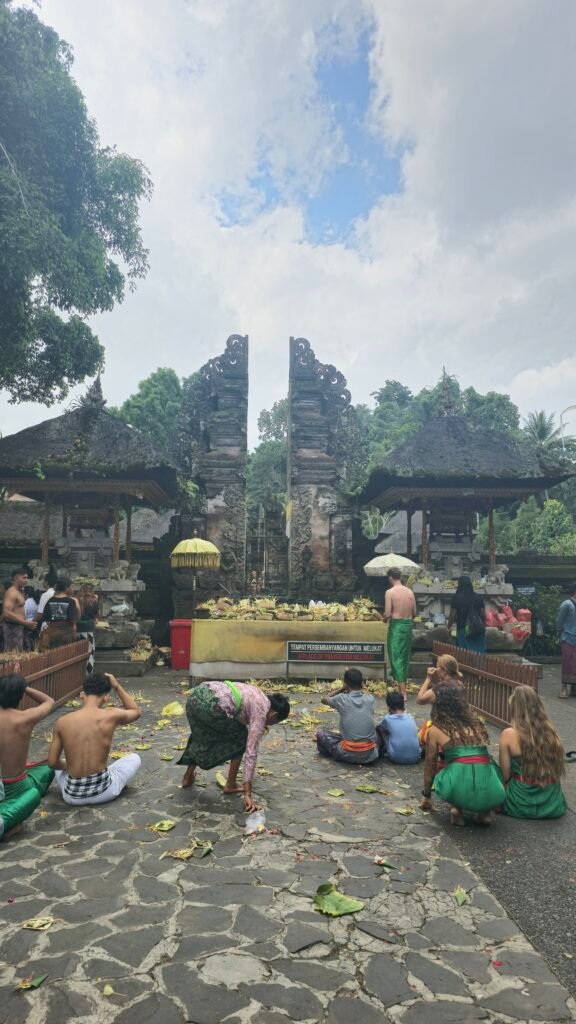
And yet, the rituals continue exactly the same way. Locals don’t rush. Priests don’t change their rhythm. If you focus on them instead of the crowd, the place feels steady. Almost stubborn in a way.
Things people usually miss
Most visitors go straight to the water and leave soon after. They don’t notice the inner courtyards or the quiet prayers happening on the sides.
Some water spouts are traditionally avoided because they’re meant for death-related rituals. Many tourists use them unknowingly. There’s no big sign explaining this, so unless you observe or ask, you won’t know.
Practical tips nobody tells
Carry extra clothes. You will get wet properly, not just damp. Lockers exist but aren’t many, so don’t bring too much.
The water is cold enough to take your breath away for a second. Pause before entering. Also, if you suddenly feel emotional or overwhelmed, don’t overthink it. It happens. I saw it happen to others too.
After finishing, sit somewhere quietly. Even five minutes helps.
Best time to visit
Morning works best for pura tirta empul temple, especially before 9 am. The light is softer, the air feels lighter, and locals are more visible.
Afternoons feel busy and slightly rushed. Weekdays are better than weekends, but Bali is unpredictable that way.
Timings & tickets
The temple usually opens around 8 am and closes by 6 pm. Entry tickets are affordable and include a sarong.
Carry some cash. Systems change, and it’s easier not to worry about it there.
How to reach
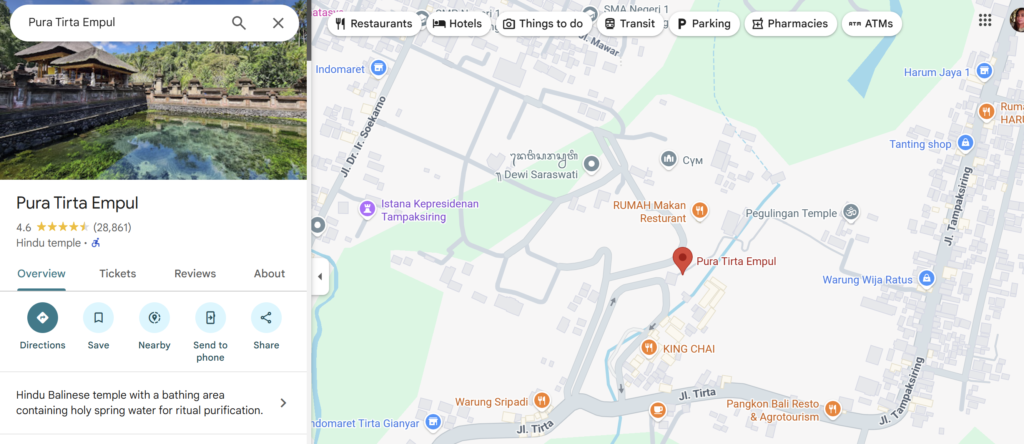
pura tirta empul temple is in Tampaksiring, around 30–40 minutes from Ubud. Hiring a cab or scooter is the easiest way.
Public transport isn’t really an option here, so plan ahead.
Planning trip from India
Visa
Indians can get Visa on Arrival for Indonesia. The process is simple, but passport validity matters.
Flights
Direct flights from major Indian cities exist, though prices fluctuate a lot. One-stop flights via Southeast Asia are common.
Currency
Indonesian Rupiah is used everywhere. Small places prefer cash.
SIM
Buying a local SIM at the airport saves effort later.
Food
Indian food is easy to find in Bali. Still, trying local food once or twice is worth it.
Common mistakes to avoid
Don’t treat the temple like a quick stop. Avoid loud behaviour and excessive photography. Follow dress rules without questioning them.
Most importantly, don’t rush. This place doesn’t respond well to rushing.
Nearby places
After pura tirta empul temple, you can explore Gunung Kawi, nearby rice fields, or small coffee plantations. Don’t pack too much into the day. The area feels better when you leave space.
Map location section
Search for Pura Tirta Empul on Google Maps. The location is accurate and easy to follow.
FAQs
Is the purification ritual compulsory?
No, you can simply observe.
Can non-Hindus enter the temple?
Yes, respect matters more than belief.
Is it suitable for children?
Yes, but the water is very cold.
How much time should I plan?
Around one to one and a half hours felt right to me.
Emotional conclusion
I didn’t leave pura tirta empul temple feeling changed in any dramatic way. Nothing suddenly made sense. Life didn’t slow down permanently.
But something softened. I noticed it later, not immediately. Maybe that’s how places like this work. They don’t announce their impact. They just stay with you, quietly, long after you’ve moved on.
If you are going to Bali, I’ve also shared my personal experiences from a few other beautiful temples that are worth visiting.
Ulun Danu Beratan Temple – https://roadtripsofindia.com/ulun-danu-beratan-temple-bali-indonesia-complete-guide-you-need-to-know/,
Tanah Lot Temple – https://roadtripsofindia.com/tanah-lot-temple-bali-indonesia-ultimate-guide-you-need-to-know/, and
Besakih Temple – https://roadtripsofindia.com/besakih-temple-bali-indonesia-ultimate-guide-on-how-to-visit-everything-you-need-to-know/. Each place has a different feeling, and I’ve written honestly so you can plan better, not just take photos.
To know us more follow us on instagram: https://www.instagram.com/roadtrips_of_india/